






What's Happening?
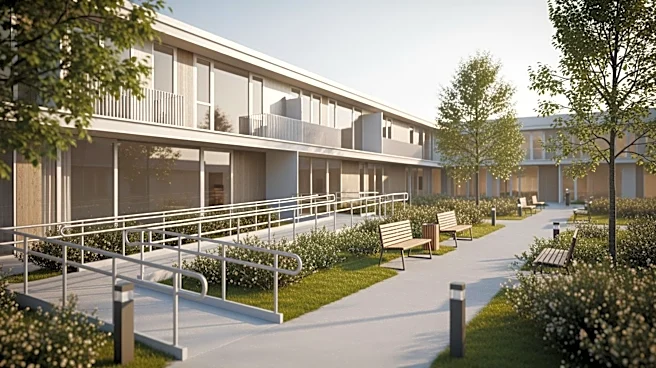
The Northeast region of the United States is experiencing a significant increase in multifamily housing starts and completions, which is expected to lead to a decrease in rent prices. In the first quarter of 2026, the Northeast saw a 42% year-over-year
increase in completed multifamily units, the only region to record growth. This surge is attributed to the region's tight for-sale housing market and solid wage growth, which maintain high rental occupancy levels. Developers are responding with increased investments, such as AvalonBay Communities' $800 million development plan, including projects in New Jersey. Despite a national trend of declining multifamily construction, the Northeast's pipeline remains robust, with an 81% increase in starts from the previous year. This expansion is expected to continue, with a predicted 1.1% growth in rental supply by early 2027.
Why It's Important?
The increase in rental supply in the Northeast is significant as it promises relief for renters in a historically high-priced market. As more units become available, rent prices are expected to decrease, benefiting renters financially. This trend is particularly important in cities like Boston and Philadelphia, where median asking rents have already begun to fall. The development surge also reflects broader economic trends, such as high home prices and mortgage rates pushing more people towards renting. The Northeast's ability to attract developers despite national economic challenges highlights its potential as a stable investment area, which could influence future housing policies and market dynamics.
What's Next?
As the Northeast continues to expand its rental supply, other regions may need to adapt to changing market conditions. The South and Midwest are also expected to see growth, though at a slower pace. Developers in the West face challenges due to higher construction costs and slower rent growth, which may lead to a shift in focus towards more promising markets like the Northeast. Policymakers may also consider zoning reforms and affordable housing incentives to support continued development. The overall increase in rental units is expected to bring the total U.S. supply to approximately 50.5 million units by 2027, potentially reshaping the national rental market landscape.