
What's Happening?
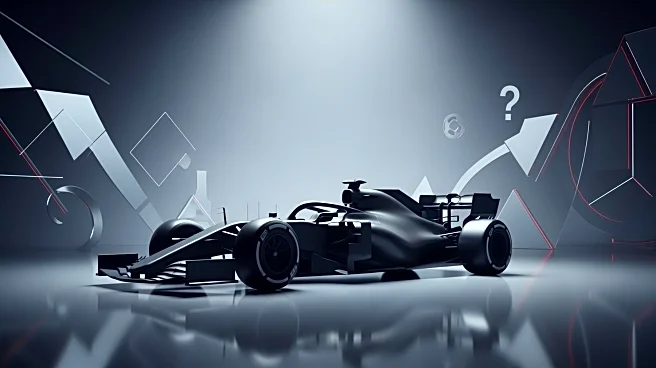
Max Verstappen, a prominent Formula 1 driver, has expressed dissatisfaction with the current F1 regulations, particularly the energy management required by the new engines. These engines necessitate frequent recharging during races, which affects speed
and racing dynamics. Verstappen, who debuted in F1 at 17 and became the youngest race winner at 18, is considering his future in the sport due to these changes. He finds the current racing style, influenced by battery charge levels, unnatural and unfulfilling. Despite his success, Verstappen is contemplating a shift to sports car racing, where he already has plans to participate in the Nurburgring 24 Hours. He remains passionate about racing but is exploring other projects that align more with his interests.
Why It's Important?
Verstappen's potential departure from F1 could significantly impact the sport, given his status as a top driver and fan favorite. His concerns highlight broader issues within F1 regarding the balance between technological advancements and traditional racing excitement. The current regulations, while appealing to some fans, may deter drivers who prefer a more straightforward racing approach. This situation underscores the ongoing debate about the direction of F1 and the need to balance innovation with driver satisfaction. If Verstappen leaves, it could prompt F1 to reconsider its regulations to retain top talent and maintain the sport's appeal.
What's Next?
F1 bosses are scheduled to meet in the coming weeks to discuss potential changes to the rules, particularly those affecting qualifying sessions. These discussions could lead to adjustments that allow drivers to push their cars to the limit without the current energy management constraints. The outcome of these meetings may influence Verstappen's decision about his future in F1. If the regulations are amended to address his concerns, it could persuade him to remain in the sport. Conversely, if no significant changes are made, Verstappen might pursue other racing opportunities, potentially impacting F1's competitive landscape.