





What's Happening?
Glyphosate, a widely used herbicide, faces increasing scrutiny and legal challenges, particularly following the International Agency for Research on Cancer's 2015 classification of it as 'probably carcinogenic'. Bayer, the producer of Roundup, has settled
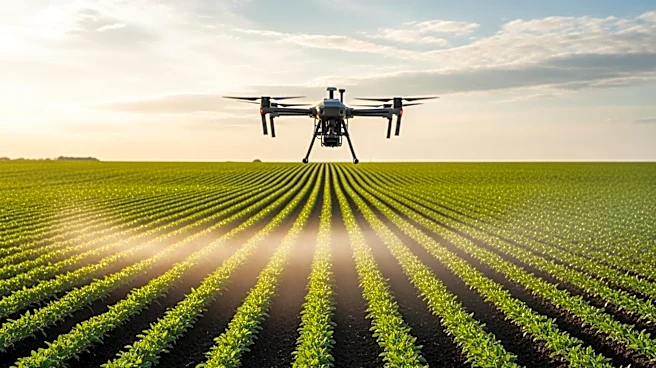
numerous lawsuits and is under pressure to provide cancer warnings. Despite this, glyphosate remains a critical tool for farmers due to its effectiveness and low cost. The herbicide's environmental impact is considered lower than many alternatives, but resistance and ecological concerns are prompting calls for innovation in weed management. The article suggests that technological advancements, such as precision sprayers and AI-powered weeders, could reduce reliance on glyphosate.
Why It's Important?
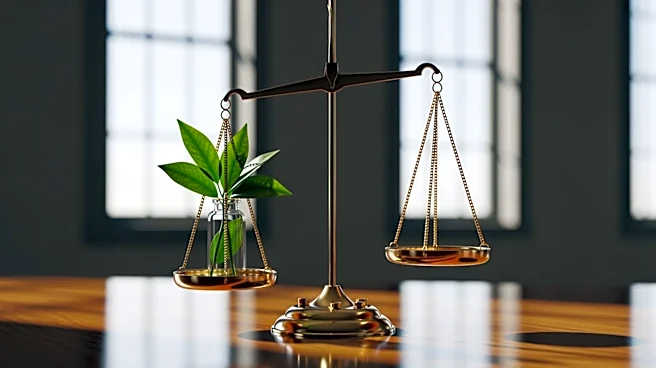
The ongoing debate over glyphosate highlights the tension between agricultural efficiency and environmental health. As legal and regulatory pressures mount, the agricultural sector faces potential disruptions in weed management practices. Innovations in agtech could offer sustainable alternatives, but these must match glyphosate's cost-effectiveness and environmental benefits. The situation underscores the need for balanced policies that support technological development while addressing public health and ecological concerns.
Beyond the Headlines
The push for alternatives to glyphosate reflects broader trends in sustainable agriculture and the role of technology in addressing environmental challenges. The development of new weed-control methods could lead to significant shifts in farming practices, potentially reducing soil erosion and chemical use. However, the transition requires careful management to avoid unintended consequences, such as increased tillage or reliance on more harmful herbicides. The future of glyphosate will likely depend on the ability of innovators to develop superior solutions that align with environmental and economic goals.