







What's Happening?
Living in small spaces, particularly with a compact kitchen, can present challenges, but it also offers unique opportunities for efficiency and creativity. The author shares personal experiences of adapting to a small kitchen in a historic rowhouse, highlighting
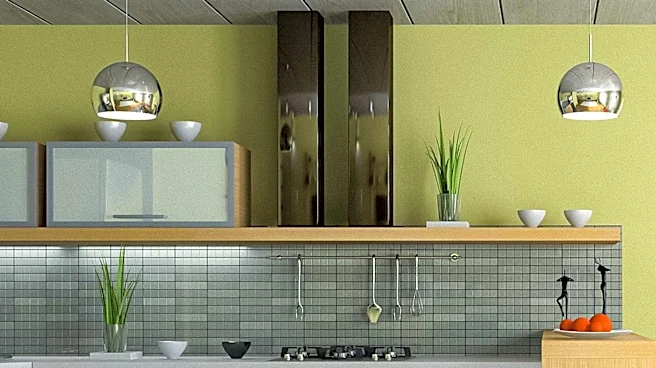
the benefits of a compact work triangle and the ease of maintaining cleanliness. The limited space encourages good habits such as cleaning as you cook and minimizing clutter. The author also discusses the aesthetic and functional choices made to enhance the kitchen's appeal, such as using antique crocks for utensils and opting for visually pleasing storage solutions.
Why It's Important?
The trend of living in smaller spaces is becoming more common, especially in urban areas where space is at a premium. Embracing a small kitchen can lead to more efficient cooking practices and a greater appreciation for simplicity and functionality. By focusing on essential items and making thoughtful design choices, individuals can create a kitchen that is both practical and enjoyable to use. This approach aligns with broader movements towards minimalism and sustainable living, encouraging people to make the most of their available space while reducing waste and consumption.
Beyond the Headlines
The cultural shift towards smaller living spaces reflects changing priorities, with many people valuing location and lifestyle over square footage. This trend may influence future housing designs, with architects and developers focusing on maximizing functionality in compact spaces. Additionally, the emphasis on efficient use of space and resources aligns with environmental sustainability goals, as smaller homes typically have a lower carbon footprint. As more people adapt to living in smaller spaces, there may be increased demand for innovative storage solutions and multi-functional furniture.