







What's Happening?
Pfizer has reported strong first-quarter results for 2026, driven by the performance of its key products, Eliquis and Ibrance. Despite a decline in its COVID-19 portfolio, the company maintained its revenue guidance for the year, which helped stabilize
its share price. Pfizer's revenue for the first quarter was $14.5 billion, marking a 2% increase from the previous year. The company faces significant patent expirations between now and 2028, but it has settled patent litigation for its ATTR-CM therapy Vyndamax, delaying generic competition until 2031. Analysts remain optimistic about Pfizer's commercial progress and pipeline developments, which could enhance investor interest.
Why It's Important?
The stability in Pfizer's share price despite challenges highlights the company's strategic management of its product portfolio and patent issues. The delay in generic competition for Vyndamax until 2031 provides Pfizer with a longer period to capitalize on this product, potentially boosting revenue. The company's focus on non-COVID products like Eliquis and Ibrance demonstrates its ability to diversify and strengthen its market position. As Pfizer navigates upcoming patent expirations, its ability to maintain investor confidence and revenue growth will be crucial for its long-term success.
What's Next?
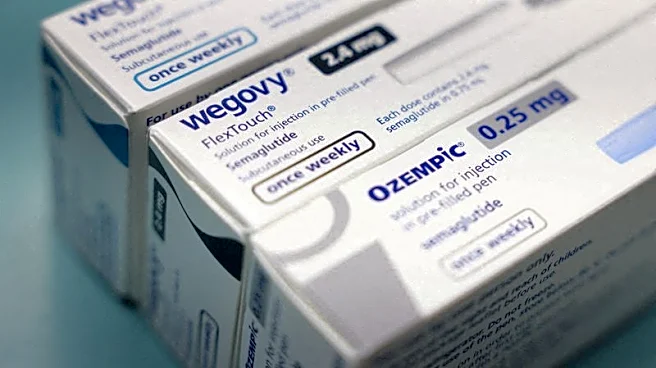
Pfizer will continue to focus on its robust R&D pipeline, particularly in oncology and obesity, to drive future growth. The company may pursue further acquisitions and partnerships to mitigate the impact of patent expirations and maintain revenue growth. Investors and analysts will closely monitor Pfizer's pipeline updates and strategic moves to assess its potential for sustained success in the pharmaceutical industry.