




What's Happening?
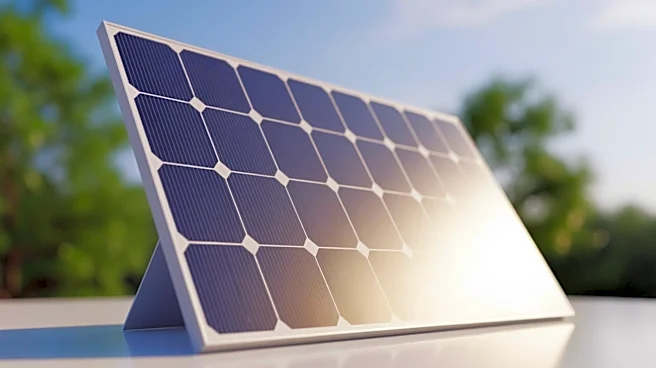
As the solar energy market continues to expand, the issue of solar panel disposal is becoming increasingly important. Solar panels have a lifespan of about 25 years, and with the first major wave of panels reaching the end of their life, recycling is emerging
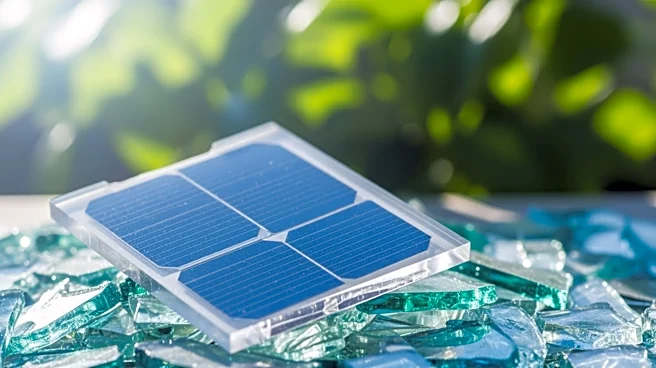
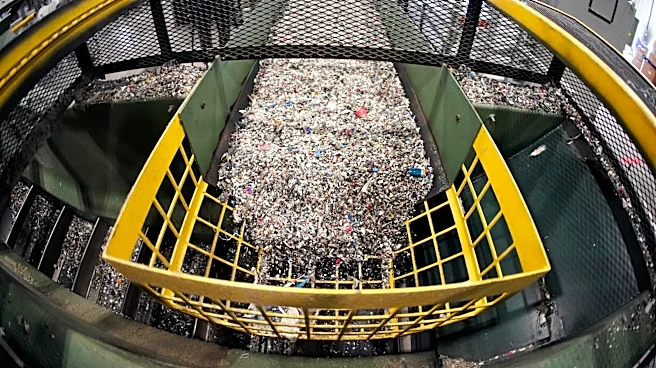
as a crucial component of sustainable energy practices. The U.S. is expected to generate significant amounts of solar panel waste, presenting both a challenge and an opportunity for material recovery. Recycling solar panels not only prevents environmental harm but also allows for the recovery of valuable materials like aluminum and glass, which can be reused in new products.
Why It's Important?
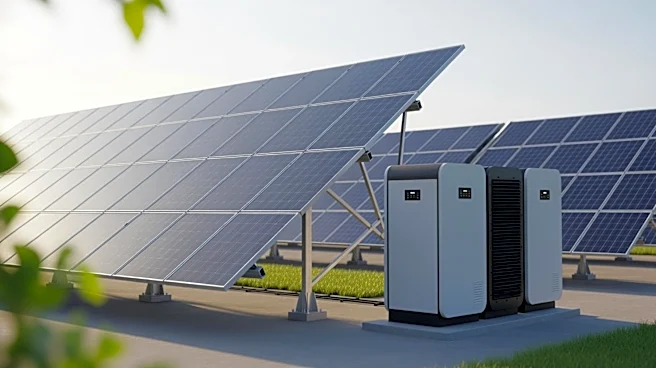
The recycling of solar panels is critical for maintaining the sustainability of the solar energy industry. By recovering materials from end-of-life panels, the industry can reduce its reliance on finite raw materials and minimize environmental impact. This practice supports a circular economy, where materials are continuously reused, reducing waste and conserving resources. Additionally, as solar energy becomes a dominant source of renewable energy, effective recycling strategies will be essential to manage the increasing volume of solar panel waste, ensuring the industry's long-term viability and environmental responsibility.
What's Next?
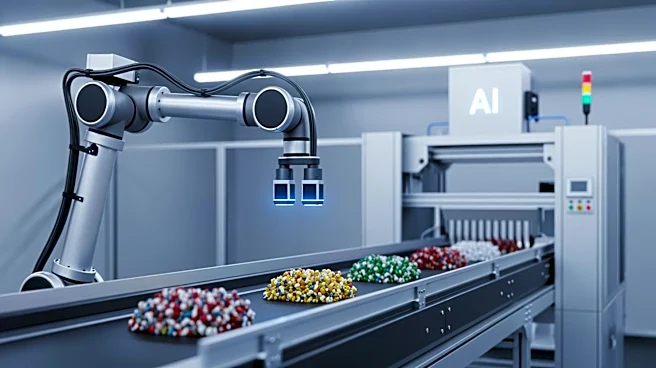
The U.S. Environmental Protection Agency (EPA) is considering reclassifying solar panels from hazardous to universal waste, which would streamline recycling efforts and reduce regulatory barriers. This potential regulatory change could encourage more widespread adoption of recycling practices and support the development of a robust solar panel recycling infrastructure. As the industry prepares for an influx of solar panel waste, stakeholders will need to collaborate on scalable and compliant recycling solutions to manage the lifecycle of solar panels effectively.