





What's Happening?
The U.S. Energy Information Administration (EIA) is set to release new quarterly energy security datasets on May 13, focusing on global strategic petroleum reserves and shipping flows through critical oil and LNG chokepoints. This initiative comes in response
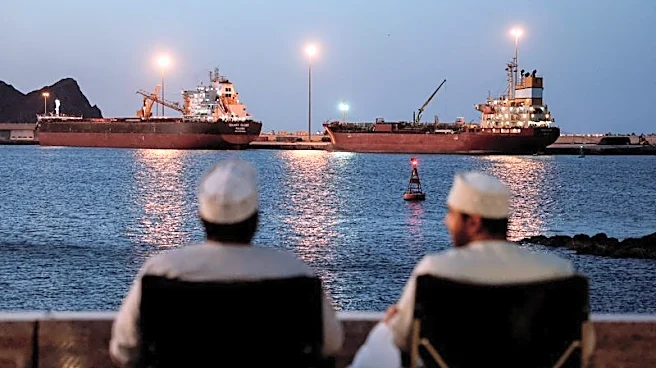
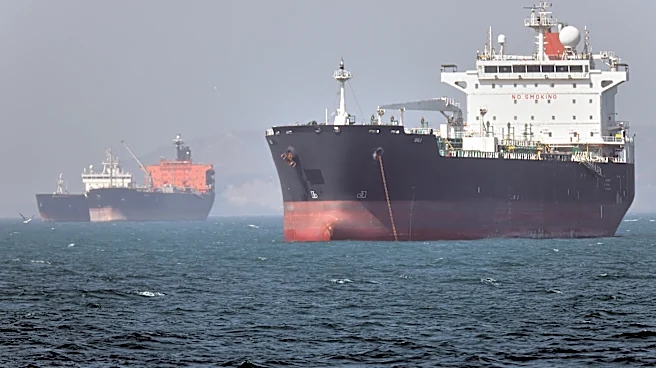
to ongoing disruptions in the Strait of Hormuz, a vital passage for global energy trade, which have significantly impacted global energy markets. The new datasets, announced alongside the EIA's May Short-Term Energy Outlook (STEO), aim to provide greater transparency into global petroleum inventories and maritime energy trade routes during periods of geopolitical instability. The EIA's latest outlook anticipates that the Strait of Hormuz will remain effectively closed through late May, with traffic expected to gradually resume in June. The disruption has led to a significant reduction in crude oil production from key Middle Eastern countries, including Iraq, Saudi Arabia, and Kuwait, contributing to a sharp rise in Brent crude prices.
Why It's Important?
The introduction of these datasets is crucial for stakeholders in the energy sector, as it offers enhanced visibility into the dynamics of global energy supply chains during times of geopolitical tension. The Strait of Hormuz is a strategic chokepoint through which a substantial portion of the world's oil supply is transported. Disruptions in this region can lead to significant fluctuations in oil prices, affecting global markets and economies. By providing detailed insights into petroleum inventories and shipping routes, the EIA's new datasets will help market participants, policymakers, and analysts better understand and respond to changes in energy supply and demand. This transparency is particularly important for the U.S. and other countries reliant on stable energy imports, as it can inform strategic decisions and policy-making in the face of potential supply disruptions.
What's Next?
As the EIA begins publishing these datasets, stakeholders will closely monitor the situation in the Strait of Hormuz and the restoration of oil flows. The gradual resumption of traffic through the strait is expected to stabilize oil prices and restore production levels in the affected Middle Eastern countries. However, the geopolitical situation remains fluid, and any further escalation could lead to renewed disruptions. The EIA's ongoing updates will be critical for tracking these developments and assessing their impact on global energy markets. Additionally, the UAE's recent departure from OPEC may influence future production strategies and market dynamics, adding another layer of complexity to the global energy landscape.