


What's Happening?
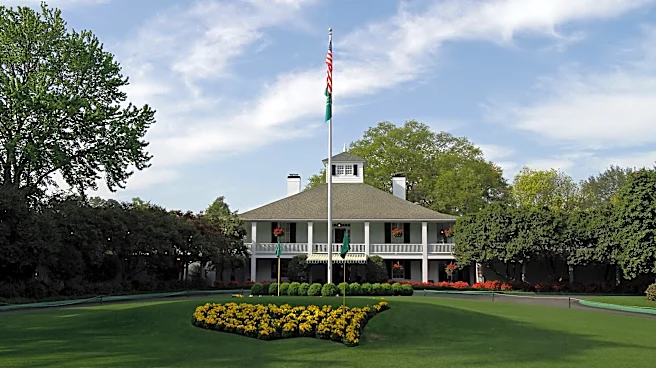
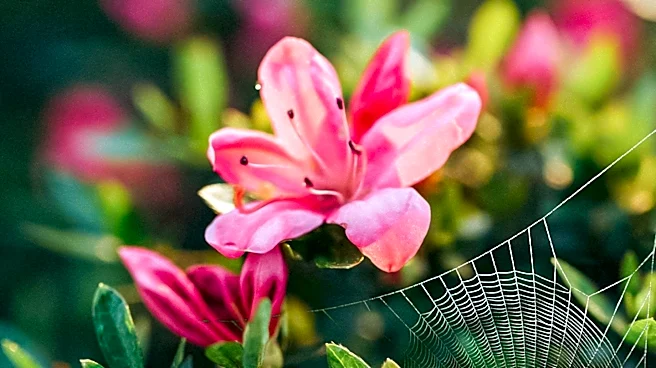
In Augusta, Georgia, azaleas, a flower closely associated with the city's identity and the Masters Tournament, are facing challenges due to climate change. Experts from the University of Georgia Extension highlight that rising temperatures and erratic
weather patterns are affecting azalea growth. Warmer winters can cause azaleas to bloom prematurely, making them vulnerable to late frosts. Additionally, the loss of tree canopies, which provide essential shade, exposes azaleas to direct sunlight, increasing their susceptibility to disease and insect stress. The changing climate also poses risks of drought, further threatening these resilient plants.
Why It's Important?
The impact of climate change on azaleas in Augusta underscores broader environmental challenges affecting plant life and ecosystems. Azaleas are not only a cultural symbol of Augusta but also contribute to the local economy through tourism, especially during the Masters Tournament. The decline in azalea health could affect the city's aesthetic appeal and economic activities linked to horticulture and tourism. This situation highlights the need for adaptive strategies in landscaping and urban planning to mitigate the effects of climate change on local flora and maintain ecological balance.
What's Next?
To protect azaleas from climate-related threats, experts recommend implementing adaptive gardening practices. Homeowners are advised to use mulch to retain soil moisture, water deeply to encourage strong root growth, and select planting locations that offer partial shade. These measures can help azaleas withstand harsh conditions and continue to thrive. Additionally, ongoing research and community engagement are crucial to developing effective strategies for preserving Augusta's natural heritage in the face of climate change.