






What's Happening?
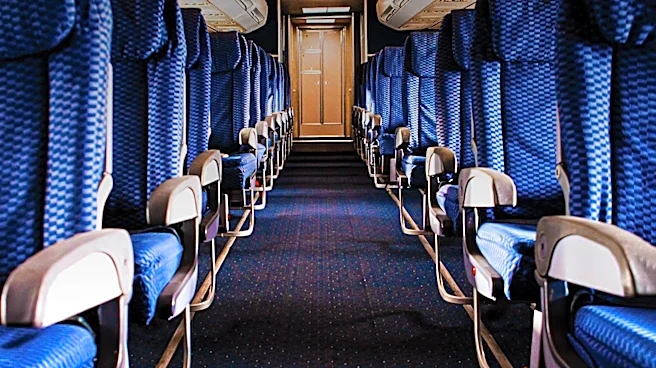
Traveling by airplane can increase the risk of exposure to germs and viruses, particularly for those seated in aisle seats. According to infectious disease experts, aisle seats expose passengers to more people, increasing the likelihood of coming into
contact with airborne pathogens. Dr. Jarod Fox from Orlando Health and Dr. Ashley Drews from Houston Methodist highlight that aisle seats are more frequently touched by passengers moving through the cabin, which can lead to higher germ transfer. Research from Emory University indicates that a significant percentage of passengers move around during flights, further increasing exposure risks. Experts recommend choosing window seats to minimize contact with other passengers and reduce germ exposure.
Why It's Important?
The advice to avoid aisle seats is particularly relevant for passengers who are immunocompromised or have underlying health conditions, as they are at greater risk of infection. This guidance can help travelers make informed decisions about their seating preferences to protect their health. The broader significance lies in the potential to reduce the spread of infectious diseases during air travel, which is a common mode of transportation for millions of Americans. By understanding seating-related risks, passengers can take proactive steps to safeguard their health, contributing to overall public health efforts.
What's Next?
Travelers are encouraged to adopt additional health precautions, such as using hand sanitizers, disinfecting surfaces, and wearing masks, especially in crowded settings like airplanes. Airlines may also consider revising their cleaning protocols and passenger guidelines to address these concerns. As awareness of germ exposure increases, there may be a shift in passenger preferences towards window seats, potentially influencing airline seating policies and pricing strategies.
Beyond the Headlines
This development highlights the ongoing need for public health education regarding travel-related health risks. It also underscores the importance of personal responsibility in preventing the spread of infectious diseases. The advice to choose window seats could lead to cultural shifts in travel habits, with passengers prioritizing health considerations over convenience. Additionally, this focus on health-conscious travel may drive innovations in airplane design and sanitation practices.