





What's Happening?
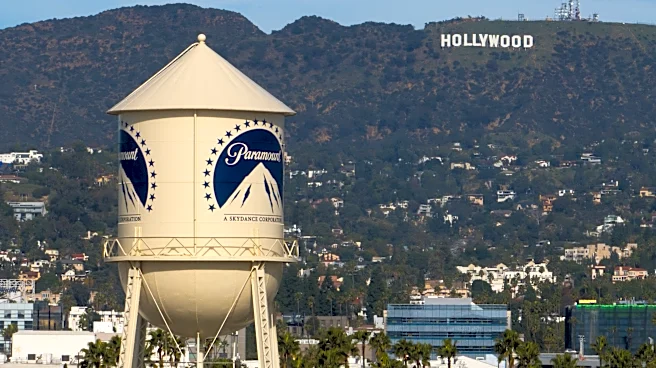
Cinema United, a trade group representing theater owners, has pledged to oppose the proposed merger between Paramount Skydance and Warner Bros. Discovery. The group argues that the consolidation of these major studios would be detrimental to the exhibition
industry, consumers, and the broader entertainment ecosystem. Paramount's Chief Executive David Ellison has stated that the combined company plans to produce 30 films annually, split evenly between Warner Bros. and Paramount. However, exhibitors are skeptical about the feasibility of this goal due to anticipated cost cuts and the $79 billion debt burden the new entity would inherit. Cinema United plans to seek commitments from Paramount regarding film marketing and production if the merger proceeds. The merger has sparked significant opposition, with nearly 1,000 artists and creators signing a letter against the deal.
Why It's Important?
The merger between Paramount and Warner Bros. Discovery represents a significant shift in the media landscape, potentially reducing the number of films produced for theaters. This consolidation could lead to fewer choices for consumers and concentrate market power in the hands of fewer distributors, affecting terms, scheduling, and access to film catalogs. The opposition from Cinema United and industry professionals highlights concerns about the impact on the diversity and independence of the entertainment industry. The merger could also influence the economic dynamics of film production, with potential job losses and reduced opportunities for filmmakers.
What's Next?
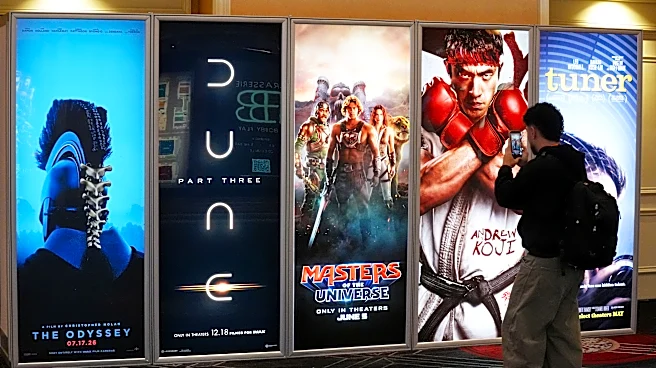
If the merger cannot be stopped, Cinema United intends to secure commitments from Paramount regarding film marketing spending and the number of films produced. The group is also advocating for a federal film tax incentive to support the industry. The Motion Picture Association is working with Hollywood stakeholders and congressional leaders to promote this incentive, aiming to make the U.S. a more competitive place for film production. The ongoing debate at CinemaCon and the widespread opposition from industry professionals suggest that the merger will continue to be a contentious issue.