


What's Happening?
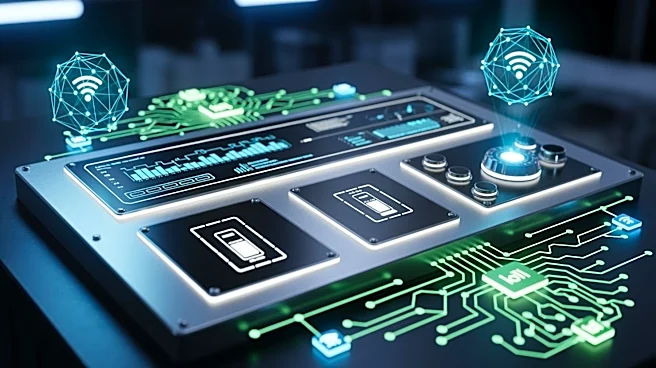
The integration of access control systems with Industrial IoT is transforming security automation in industrial environments. This integration allows for automated security responses without human intervention, adapting access permissions based on real-time
data such as equipment status and environmental conditions. The systems can trigger immediate actions like locking zones or activating alarms when anomalies are detected. The market for industrial IoT is expected to grow significantly, with the number of devices reaching over 152 million globally by 2025. This development is reshaping traditional security models, making them more dynamic and data-driven.
Why It's Important?
The integration of access control systems with Industrial IoT is crucial for enhancing security in industrial settings. It allows for real-time decision-making and automation, reducing response times and preventing incident escalation. This development is particularly important as IoT security risks are rising, with over 50% of IoT devices having critical vulnerabilities. By linking access control with IoT data, organizations can improve operational safety, reduce downtime, and ensure compliance with safety and regulatory standards. This integration also supports data-driven decision-making, optimizing workflows and improving efficiency.
What's Next?
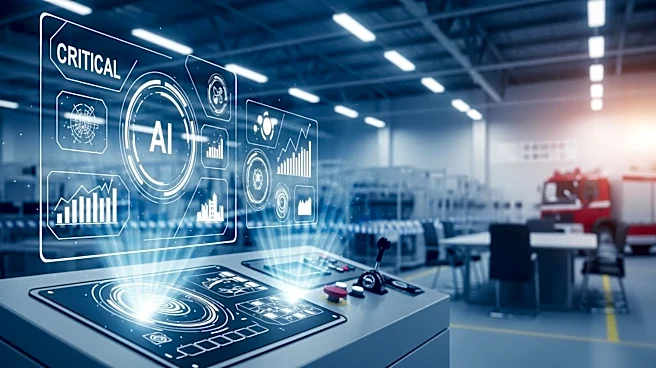
As industrial ecosystems continue to expand, the integration of security with IoT infrastructure will become increasingly important. Future trends include deeper integration and intelligent automation, with AI playing a significant role in automating decision-making and threat response. The expansion of edge AI and 5G-enabled connectivity will enhance real-time IoT applications, while the convergence of cyber and physical security will address evolving threats. Organizations will need to adopt best practices such as zero trust principles, secure communication channels, and network segmentation to ensure successful integration.