



What's Happening?
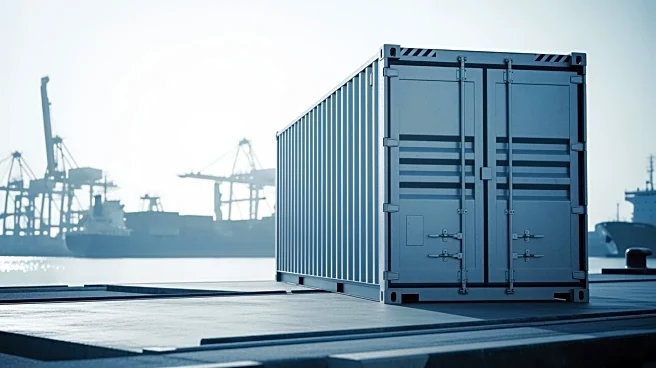
Finance Minister Nirmala Sitharaman has announced a new container manufacturing scheme with a budgetary allocation of Rs 10,000 crore over five years. The initiative aims to create a globally competitive container manufacturing ecosystem in India. The scheme is part of a broader strategy to promote environmentally sustainable cargo movement. It includes the introduction of a scheme for enhancing construction and infrastructure equipment (CIE) to strengthen domestic manufacturing of high-value and technologically advanced CIE. Additionally, the government plans to establish new Dedicated Freight Corridors connecting Dankuni in the East to Surat in the West. Over the next five years, 20 new National Waterways will be operationalized, starting
with NW-5 in Odisha, to connect mineral-rich areas and industrial centers to major ports. A ship-repair ecosystem for inland waterways will also be developed in Varanasi and Patna. Furthermore, a Coastal Cargo Promotion Scheme will be launched to incentivize a modal shift from rail and road to inland waterways and coastal shipping, aiming to increase their share from 6% to 12% by 2047. Training institutes will be established as Regional Centres of Excellence to develop the required manpower.
Why It's Important?
The proposed container manufacturing scheme is significant for India's logistics and manufacturing sectors. By creating a competitive container manufacturing ecosystem, the initiative aims to reduce dependency on imports and boost domestic production capabilities. The focus on environmentally sustainable cargo movement aligns with global trends towards reducing carbon footprints in logistics. The development of new freight corridors and waterways is expected to enhance connectivity and efficiency in cargo transportation, potentially lowering costs and improving supply chain reliability. The Coastal Cargo Promotion Scheme's goal to increase the share of inland waterways and coastal shipping could lead to a more balanced and sustainable transportation network. This shift could also alleviate pressure on road and rail infrastructure, leading to reduced congestion and emissions. The establishment of training institutes will help build a skilled workforce, supporting the long-term growth of the logistics and manufacturing industries.
What's Next?
The implementation of the container manufacturing scheme and related initiatives will require coordinated efforts between government agencies, industry stakeholders, and educational institutions. The success of the scheme will depend on effective policy execution and the ability to attract investment in the container manufacturing sector. Monitoring the progress of the Dedicated Freight Corridors and National Waterways projects will be crucial to ensure timely completion and operational efficiency. The government may also need to address potential challenges such as regulatory hurdles, land acquisition issues, and environmental concerns. Stakeholders in the logistics and manufacturing sectors are likely to closely watch the developments, as the scheme could present new business opportunities and drive industry growth.