


What's Happening?
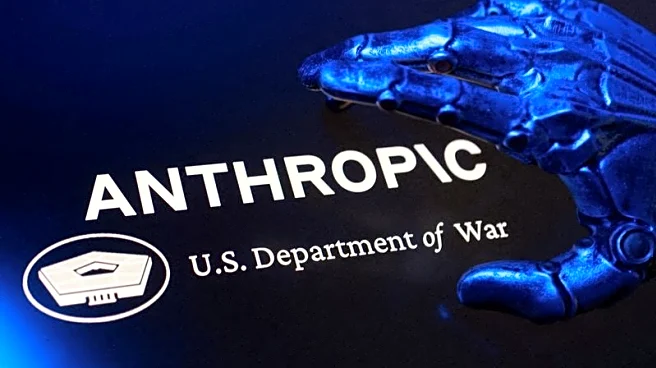
OpenAI is facing significant backlash following its agreement to allow its AI models in Pentagon classified networks. The controversy intensified after Caitlin Kalinowski, OpenAI's hardware leader, resigned, citing concerns over surveillance and lethal
autonomy. The statement 'AI has an important role in national security' sparked debate over privacy and ethical implications. The backlash has led to a surge in ChatGPT uninstalls and raised questions about corporate governance and the role of AI in military applications.
Why It's Important?
This situation highlights the ethical dilemmas and public scrutiny tech companies face when collaborating with military and government agencies. The backlash reflects broader societal concerns about privacy, surveillance, and the potential misuse of AI technologies. The incident could influence future corporate policies and regulatory frameworks governing AI use in national security. It also underscores the need for transparent and ethical guidelines to balance innovation with public trust and safety.
What's Next?
OpenAI and other tech companies may need to reassess their partnerships with government agencies and establish clearer ethical guidelines for AI use. The incident could prompt regulatory bodies to implement stricter oversight and accountability measures for AI technologies in national security. The tech industry may also face increased pressure to engage in public dialogue and address concerns about privacy and ethical implications. The outcome of this controversy could shape the future of AI governance and its role in society.