






What's Happening?
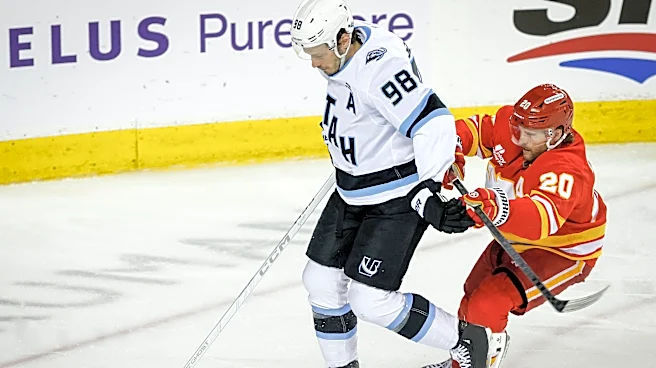
The NHL is experiencing a significant decline in goalie save percentages, reaching its lowest point in three decades. The average save percentage has fallen below .900, currently at .896, marking the lowest since 1994. This decline is attributed to the increased
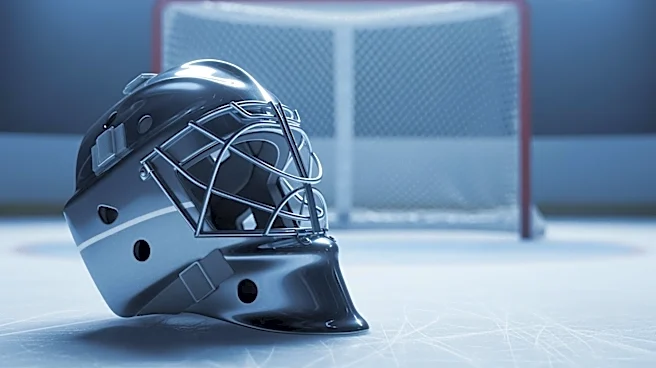
skill and selectivity of shooters, as well as the faster pace of the game. The number of shots per game has decreased to 27.8, the lowest since the late 1990s and early 2000s. This period, known as the 'dead puck era,' led to rule changes aimed at increasing scoring. These changes have been effective, with teams now scoring over six goals per game. Additionally, the reduction in goalie equipment size has contributed to the challenge, as it provides more scoring opportunities for players.
Why It's Important?
The decline in save percentages has significant implications for the NHL and its players. For goalies, this trend necessitates a reevaluation of what constitutes success in their position. The changes in the game, including the increased skill of shooters and the reduction in equipment size, require goalies to adapt their techniques. This shift could impact team strategies, as coaches may need to balance offensive and defensive priorities differently. The trend also affects sports gambling, as shot totals and save percentages are closely monitored and adjusted, influencing betting outcomes. Overall, the evolving dynamics of the game could lead to long-term changes in how goalies are trained and evaluated.
What's Next?
As the NHL continues to evolve, goalies and coaches will need to adapt to the changing landscape. This may involve developing new training methods and strategies to improve lateral movement and reaction times. The league may also consider further adjustments to rules or equipment to maintain a balance between offense and defense. Additionally, the impact of sports gambling on statistical adjustments will likely continue to be a topic of discussion, as the integrity of the game and betting outcomes are closely linked. The ongoing evolution of the game will require continuous adaptation from all stakeholders involved.