






What's Happening?
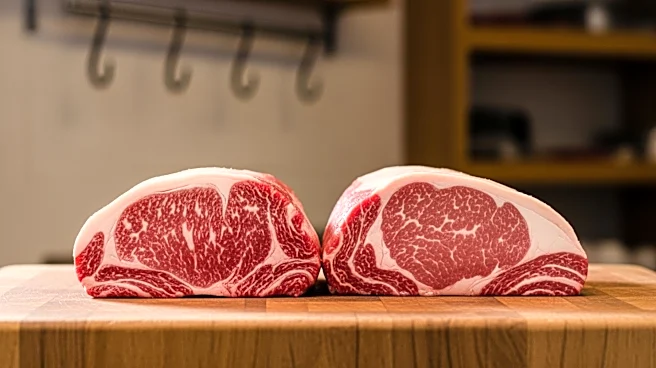
Beef prices in the United States are expected to remain high for the foreseeable future due to a combination of factors including drought, rising feed costs, and industry consolidation. The US cattle herd has decreased to its smallest size in 75 years,
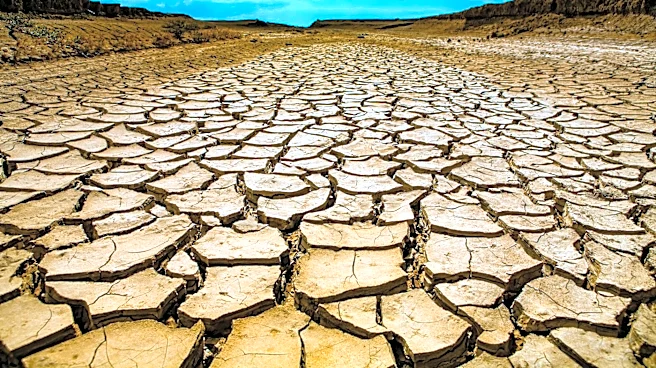
primarily due to prolonged drought conditions that have devastated grasslands in the West and Plains. This has forced many ranchers to sell cattle early, including breeding cows, which are essential for herd replenishment. The process of rebuilding herds is slow, taking several years, and is compounded by the high concentration of the beef industry, where four major companies control about 85% of the market. This concentration has led to scrutiny from regulators over potential antitrust issues. Despite the rising prices, consumer demand for beef remains strong, with spending on beef increasing by 12% in 2025 compared to the previous year.
Why It's Important?
The sustained high prices of beef have significant implications for both consumers and the agricultural sector. For consumers, the increased cost of beef affects household budgets, especially as beef is a staple in many American diets. For the agricultural sector, the challenges of drought and high feed costs threaten the viability of cattle ranching, potentially leading to further consolidation in the industry. The scrutiny from regulators regarding antitrust issues could lead to policy changes aimed at increasing competition within the industry. Additionally, the strong consumer demand despite high prices suggests a potential shift in consumer behavior towards prioritizing beef in their diets, which could influence market dynamics and pricing strategies in the long term.
What's Next?
In the coming years, the beef industry may face increased regulatory scrutiny as the Department of Justice continues its investigation into potential antitrust issues. Ranchers will need to navigate the challenges of rebuilding herds amidst ongoing environmental and economic pressures. The industry may also see shifts in consumer preferences, potentially leading to increased demand for alternative proteins if beef prices remain prohibitively high. Policymakers may consider interventions to support ranchers and ensure a competitive market, which could include measures to address the impacts of climate change on agriculture.