



What's Happening?
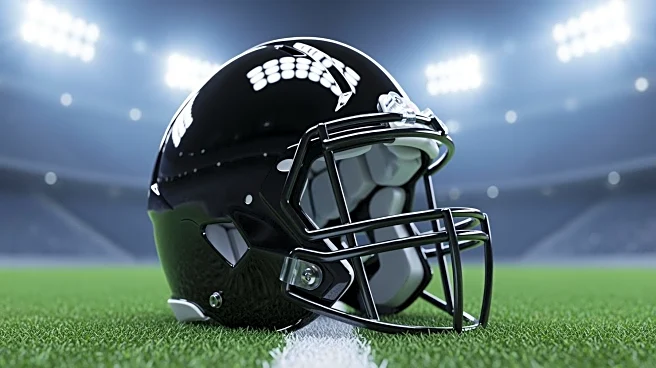
The Missouri Tigers and Virginia Cavaliers are preparing to face off in the Gator Bowl, with both teams aiming to achieve significant milestones. The No. 25 Missouri Tigers, holding an 8-4 record, are striving to secure nine wins for the third consecutive season, a first in their history. Meanwhile, the No. 20 Virginia Cavaliers, with a 10-3 record, are seeking their first 11-win season. The game is set to take place at EverBank Stadium in Jacksonville, Florida. Missouri enters the game as a 4.5-point favorite despite the absence of their starting quarterback, Beau Pribula, who has entered the transfer portal. Freshman Matt Zollers will step in as quarterback, supported by All-American running back Ahmad Hardy, who is close to breaking a school
rushing record. Virginia, recovering from a narrow loss in the ACC title game, is looking to end their season on a high note.
Why It's Important?
This Gator Bowl matchup is significant as it represents a chance for both teams to make history. For Missouri, achieving a third consecutive nine-win season would solidify their status as a consistent force in college football. Virginia, on the other hand, is looking to cap off a strong season with an unprecedented 11th win, which would enhance their program's reputation. The game also highlights the impact of player transfers and coaching changes, with Missouri adjusting to the loss of their offensive coordinator and starting quarterback. The outcome of this game could influence recruiting and future performance for both programs, as well as provide a morale boost heading into the next season.
What's Next?
Following the Gator Bowl, both teams will focus on the offseason, addressing player transfers and coaching changes. Missouri will integrate new offensive coordinator Chip Lindsey, who will not be calling plays during the bowl game but will take over in the future. Virginia will aim to build on their successful season and address any gaps exposed during the bowl game. The performance of key players like Matt Zollers and Ahmad Hardy will be closely watched, as their development could shape the teams' strategies moving forward. Additionally, the outcome of the game may impact the teams' rankings and perceptions in the college football landscape.
Beyond the Headlines
The Gator Bowl also serves as a platform for players to showcase their talents on a national stage, potentially impacting their future careers, whether in college or professionally. The game highlights the growing trend of player mobility through the transfer portal, as seen with Missouri's quarterback situation. This mobility can significantly alter team dynamics and performance. Furthermore, the game underscores the importance of adaptability in coaching, with Missouri's collaborative approach to play-calling in the absence of their offensive coordinator. These elements reflect broader shifts in college football, where flexibility and strategic planning are increasingly crucial.