






What's Happening?
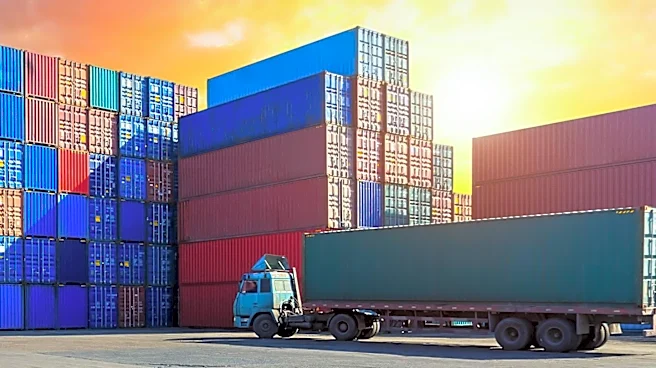
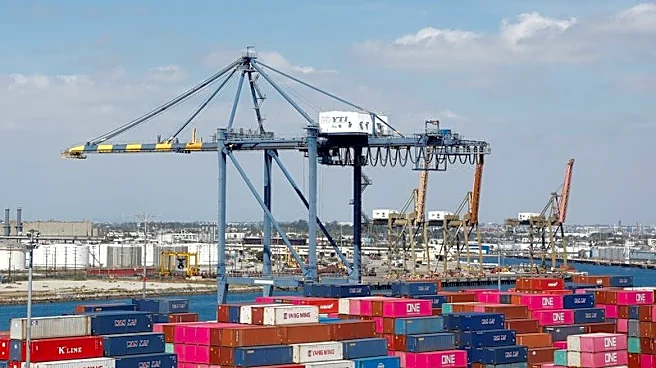
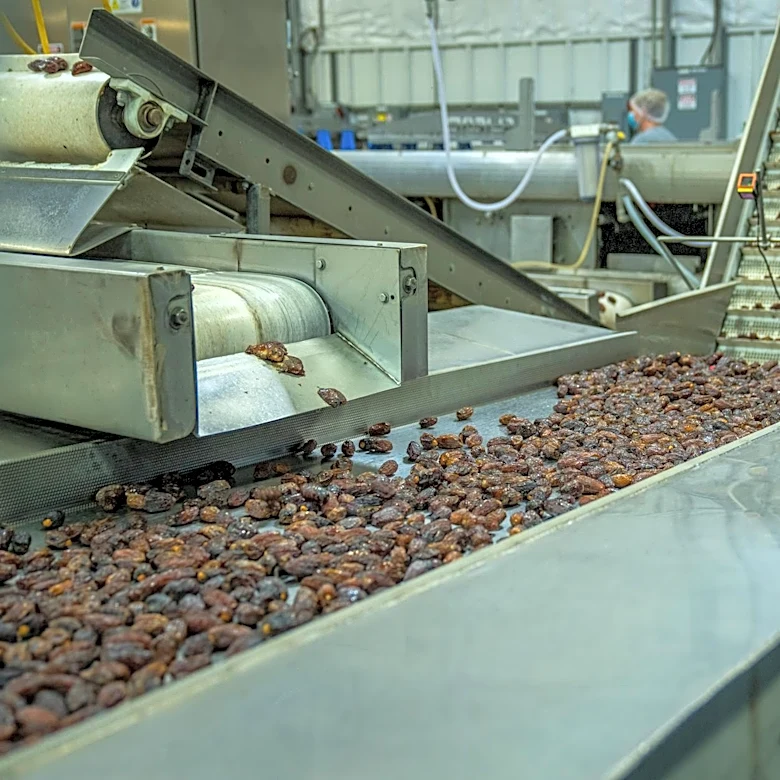
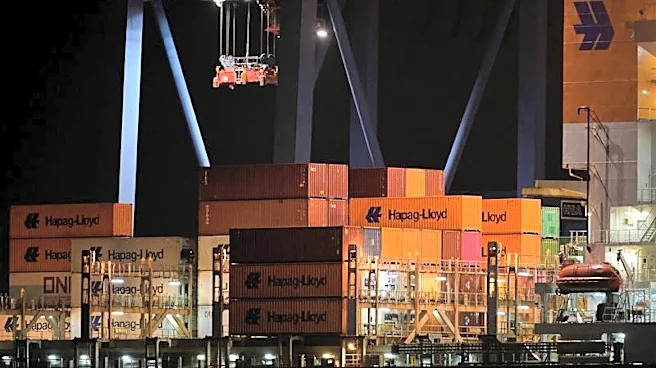
The United States has announced a proposal to impose new tariffs on imports from 60 countries, potentially reshaping global trade and affecting consumer prices. The U.S. Trade Representative (USTR) plans to levy tariffs between 10% and 12.5% on a wide
range of products, including electronics, clothing, and automotive parts. The proposal targets countries that allegedly fail to prevent goods made with forced labor from entering the market. Major trading partners such as China, the European Union, and the United Kingdom are among those affected. The tariffs are intended to pressure these countries to improve enforcement against forced labor.
Why It's Important?
The proposed tariffs could lead to higher prices for everyday goods in the U.S., as importers and retailers may pass on the increased costs to consumers. This move underscores the U.S. government's commitment to addressing forced labor issues, but it also risks escalating trade tensions with key partners. The tariffs could disrupt supply chains and prompt companies to seek alternative sourcing options. Economists warn that such measures typically result in higher consumer prices, impacting household budgets and potentially slowing economic growth.
What's Next?
The proposal is currently undergoing a formal review process, with public comments due by July 6, 2026, and hearings scheduled for July 7, 2026. The final decision on the tariffs will depend on the outcome of this process, and adjustments may be made based on stakeholder feedback. If implemented, the tariffs could take weeks or months to affect consumer prices, depending on how quickly businesses adjust. The U.S. may also face diplomatic challenges as affected countries respond to the tariffs, potentially leading to negotiations or retaliatory actions.