






What's Happening?
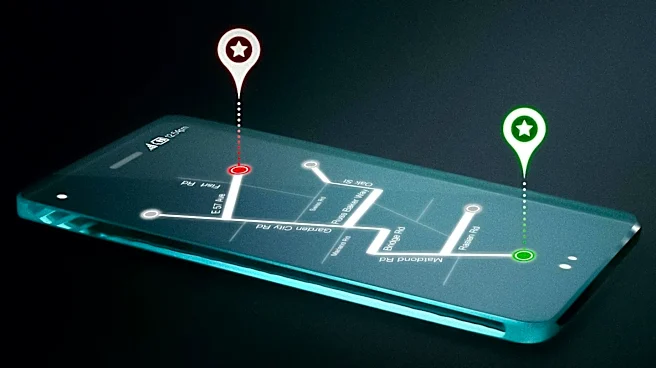
A recent analysis highlights the cognitive shift in navigation skills due to the widespread use of GPS technology. Adults who continue to navigate by memory and feel, rather than relying on GPS, maintain a cognitive relationship with the physical world
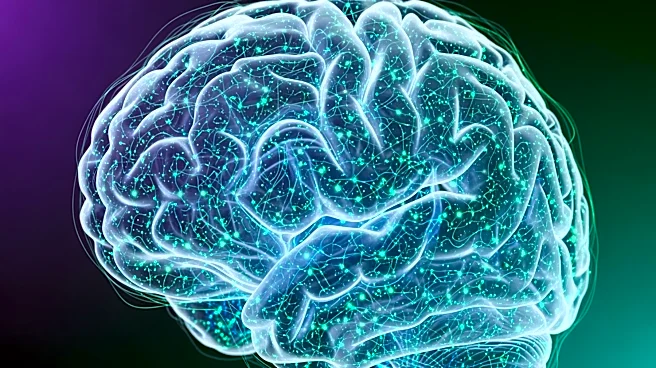
that many have outsourced. This shift has led to a decline in the use of the hippocampus for spatial memory, as people increasingly rely on GPS for directions. The study suggests that this reliance on technology has diminished a particular cognitive capacity that was once common in pre-GPS navigation.
Why It's Important?
The decline in cognitive mapping skills has broader implications for how individuals interact with their environment. As people rely more on GPS, they may lose the ability to navigate independently, which could affect their sense of orientation and connection to their surroundings. This shift may also impact cognitive health, as the hippocampus plays a crucial role in memory and spatial awareness. Understanding these changes is important for developing strategies to maintain cognitive health in an increasingly digital world.
Beyond the Headlines
The reliance on GPS technology reflects a broader trend of outsourcing cognitive tasks to digital devices, which may have long-term implications for cognitive development and mental health. This trend raises questions about the balance between technological convenience and the preservation of cognitive skills. It also highlights the need for awareness and potential interventions to encourage the use of cognitive mapping skills, even in a technology-driven society.