
What's Happening?
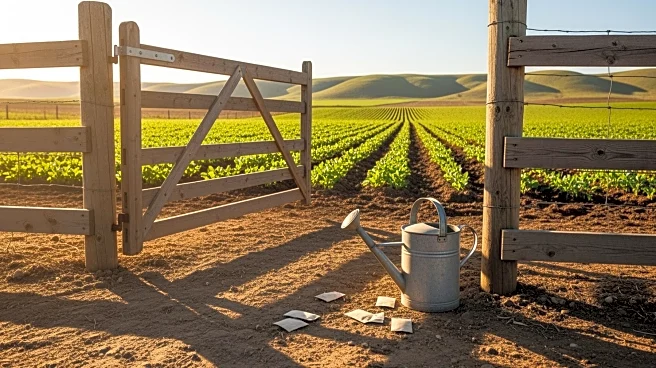
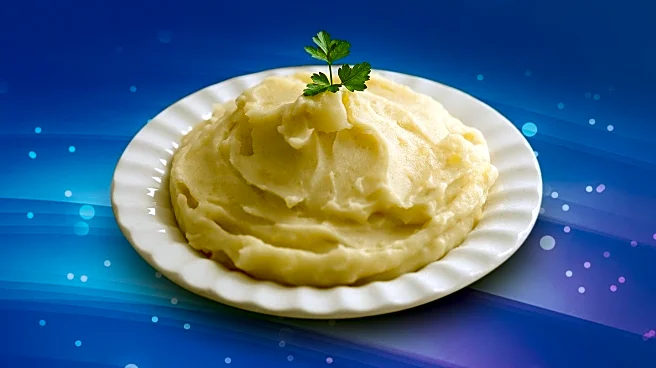
The white potato pie, a dessert with roots in Maryland's colonial history, has become a traditional dish in the state. Originally created as a way to utilize surplus potatoes when tobacco farming depleted
soil nutrients, the pie was initially seen as a 'poor man's dessert.' Over time, however, it gained popularity and is now considered a classic Maryland dessert. This transformation highlights the adaptability and resourcefulness of early Maryland farmers, who turned a necessity into a beloved culinary tradition.
Why It's Important?
The story of the white potato pie reflects broader themes of cultural adaptation and resourcefulness. It underscores how communities can transform economic and agricultural challenges into opportunities for innovation. The pie's evolution from a necessity to a cherished tradition illustrates the dynamic nature of cultural heritage and the role of food in community identity. This narrative not only enriches Maryland's culinary history but also serves as an example of how local traditions can emerge from practical solutions to everyday problems.