





What's Happening?
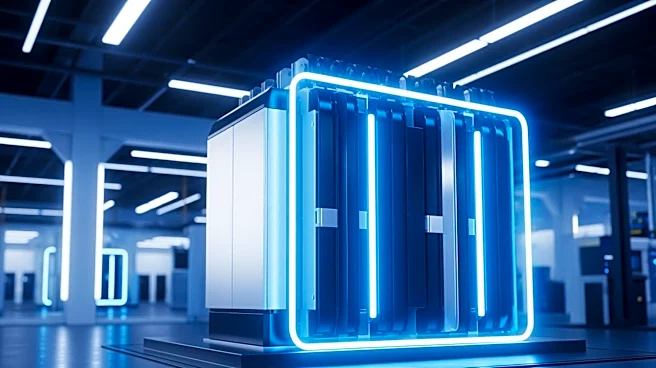
Ford has repurposed an inactive electric vehicle battery plant in Kentucky into a facility for manufacturing battery energy storage systems. This move marks the establishment of Ford Energy, a wholly owned subsidiary, which aims to produce these systems at the Glendale
site. The facility is expected to generate at least 20 GWh annually, with initial customer shipments scheduled for 2027. This development is part of a broader trend in the automotive industry where companies are diversifying their operations to include energy storage solutions, reflecting a shift towards sustainable energy practices.
Why It's Important?
The transformation of Ford's Kentucky plant into a battery storage production facility highlights the growing importance of energy storage in the automotive sector. As electric vehicles (EVs) become more prevalent, the demand for efficient energy storage solutions is increasing. This move by Ford not only supports the company's sustainability goals but also positions it as a key player in the energy storage market. The production of battery storage systems can help stabilize energy grids, integrate renewable energy sources, and provide backup power, which are critical components in the transition to a low-carbon economy. This initiative could also create new jobs and stimulate economic growth in the region.
What's Next?
Ford's entry into the battery storage market could prompt other automakers to follow suit, potentially leading to increased competition and innovation in the sector. The success of this venture will depend on Ford's ability to scale production and meet the growing demand for energy storage solutions. Additionally, regulatory support and incentives for renewable energy and storage technologies could further accelerate the adoption of such systems. Stakeholders, including policymakers and industry leaders, will likely monitor Ford's progress closely to assess the impact on the broader energy and automotive markets.