


What's Happening?
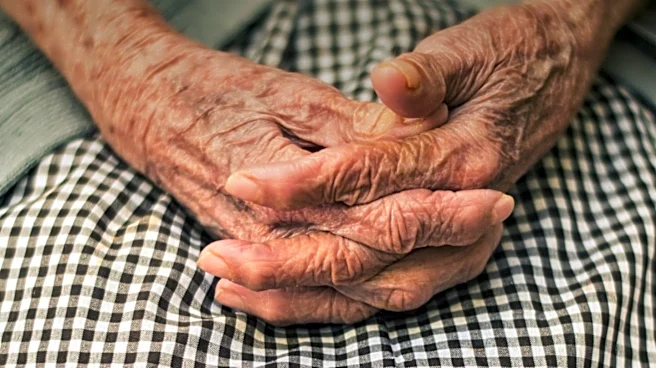
A study by University College London suggests that engaging in artistic activities can slow the ageing process. The research analyzed data from the UK Household Longitudinal Study, using epigenetic clocks to measure ageing. Participants who engaged in arts
activities at least once a week showed signs of ageing up to four percent slower than those who did not. The study highlights the cognitive benefits of arts engagement, equating its effects to those of physical exercise. Activities such as playing musical instruments, journaling, gardening, and knitting were identified as beneficial for maintaining cognitive function and overall brain health.
Why It's Important?
This study underscores the potential of arts and cultural engagement as a health-promoting behavior, similar to physical exercise. As the population ages, finding accessible and enjoyable ways to maintain cognitive health is crucial. Artistic hobbies not only provide cognitive stimulation but also offer emotional and social benefits, contributing to overall well-being. The findings could influence public health recommendations, encouraging more people to incorporate arts into their daily routines as a preventive measure against cognitive decline.
What's Next?
The study's findings may lead to increased advocacy for arts programs, particularly for older adults. Healthcare providers might begin recommending artistic activities as part of holistic health plans. Further research could explore the specific mechanisms by which arts engagement affects brain health and identify which activities are most beneficial. Public health initiatives could focus on making arts more accessible to diverse populations, potentially leading to broader societal benefits.