

What's Happening?
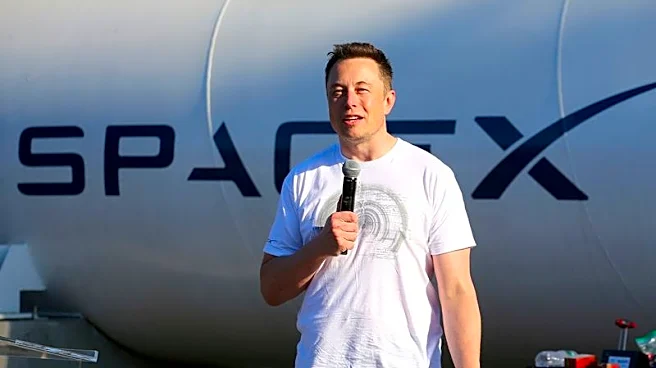
Elon Musk is under scrutiny following his recent admission that Tesla's Hardware 3 (HW3) does not support unsupervised Full Self-Driving (FSD) capabilities. This revelation comes years after Tesla began installing HW3 in its vehicles, promising FSD features.
Customers who invested in FSD are now expressing dissatisfaction, as Tesla has yet to provide a hardware upgrade or refund policy. The situation has led to legal actions and customer backlash, particularly in Europe and Australia.
Why It's Important?
The controversy surrounding Tesla's FSD capabilities highlights the challenges of delivering cutting-edge technology and managing customer expectations. It underscores the importance of transparency and accountability in the tech industry, especially for companies like Tesla that are at the forefront of innovation. The financial implications for Tesla are significant, as the company's profitability is already under pressure. The outcome of this situation could influence consumer trust and regulatory scrutiny in the autonomous vehicle sector.
What's Next?
Tesla is considering building 'microfactories' to retrofit HW3 vehicles with the newer Hardware 4, which is expected to support unsupervised FSD. This move could address customer concerns and restore confidence in Tesla's technological promises. However, the timeline and feasibility of this solution remain uncertain, and the company may face further legal and financial challenges if it fails to deliver on its commitments.