

What's Happening?
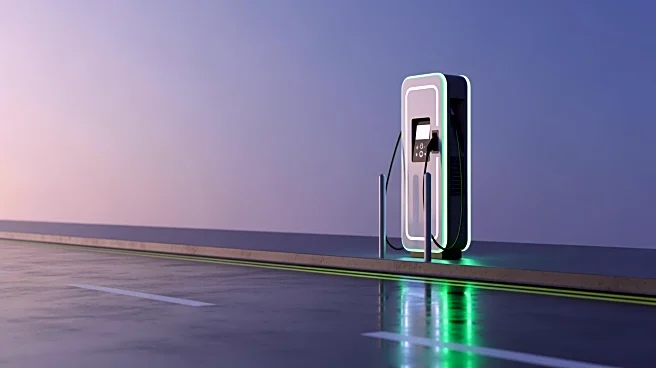
Rivian, an electric vehicle manufacturer, has expressed its support for Iowa Senate Study Bill 3067, which seeks to allow consumers in Iowa to purchase electric vehicles directly from manufacturers without the need for dealer networks. The bill has successfully passed an Iowa Senate subcommittee and is now under consideration by the full Senate Commerce Committee. Currently, Iowa laws prohibit direct sales from manufacturers to consumers, compelling residents to travel to neighboring states like Missouri, Illinois, or Minnesota to purchase vehicles from companies like Rivian that do not have franchise dealer networks. The proposed legislation aims to change this by permitting manufacturers without existing dealer agreements to sell directly to consumers, while
also introducing protections for traditional dealerships. Aubrey Coleman, Senior Public Policy Manager for Rivian, highlighted that direct purchases from manufacturers support consumer choice, enhance pricing transparency, and offer convenience for families in Iowa.
Why It's Important?
The support for this bill by Rivian underscores a significant shift in the automotive sales model, particularly for electric vehicles. If passed, the legislation could set a precedent for other states, potentially reshaping the traditional dealership model that has dominated the U.S. auto industry for decades. This move could increase competition, leading to better pricing and more options for consumers. It also reflects the growing demand for electric vehicles and the need for regulatory frameworks that accommodate new business models. Traditional dealerships may face challenges as direct sales could reduce their market share, prompting them to adapt to changing consumer preferences and technological advancements.
What's Next?
The bill's progression through the Iowa Senate will be closely watched by stakeholders in the automotive industry, including other electric vehicle manufacturers and traditional dealerships. If the bill passes, it could encourage similar legislative efforts in other states, potentially leading to a broader acceptance of direct sales models across the country. Traditional dealerships may lobby against the bill, emphasizing the importance of their role in providing local jobs and services. Meanwhile, consumer advocacy groups may support the bill, highlighting the benefits of increased competition and consumer choice.