
What's Happening?
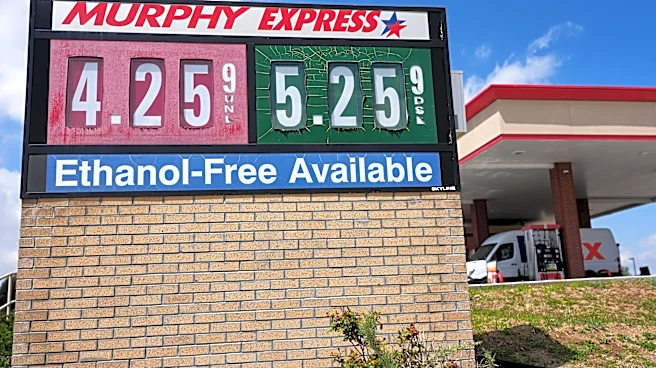
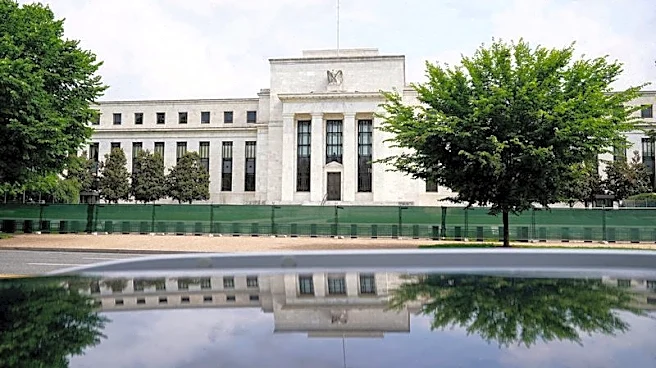
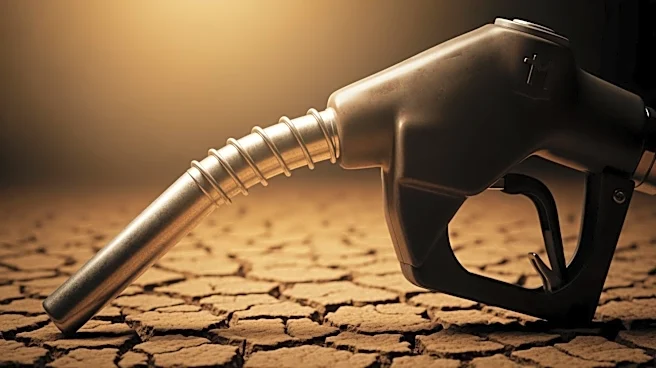
A recent report from the Federal Reserve Bank of New York highlights the disproportionate impact of rising gas prices on lower-income Americans. Following the onset of the Iran war, gas prices surged by
25% in March, leading to increased financial strain on households earning less than $40,000 annually. These households reduced their gas consumption by 7% but still faced a 12% increase in spending. In contrast, higher-income households increased their gas spending by 19% with minimal reduction in consumption. The report suggests that the gas price spike has exacerbated economic disparities, contributing to a 'K-shaped economy' where wealthier individuals continue to thrive while lower-income groups struggle.
Why It's Important?
The findings underscore the ongoing challenges faced by lower-income Americans in managing essential expenses amid economic volatility. The increased financial burden from higher gas prices can lead to reduced spending in other areas, potentially slowing economic growth. This situation highlights the need for targeted policy interventions to support vulnerable populations and address systemic inequalities. The report also reflects broader economic trends, where disparities in wealth and income continue to widen, affecting overall economic stability and social cohesion.
What's Next?
Policymakers may need to consider measures to alleviate the financial pressure on lower-income households, such as subsidies or tax relief for essential goods. Additionally, there may be increased advocacy for sustainable energy solutions to reduce dependency on volatile fossil fuel markets. The ongoing economic disparities could also influence public sentiment and political discourse, potentially impacting future elections and policy decisions.