




What's Happening?
A recent survey conducted by Talker Research for Home Instead reveals that self-care significantly impacts the wellbeing of older Americans. The study, involving 1,000 adults aged 65 and older and 1,000 caregivers, found that 90% of older adults believe
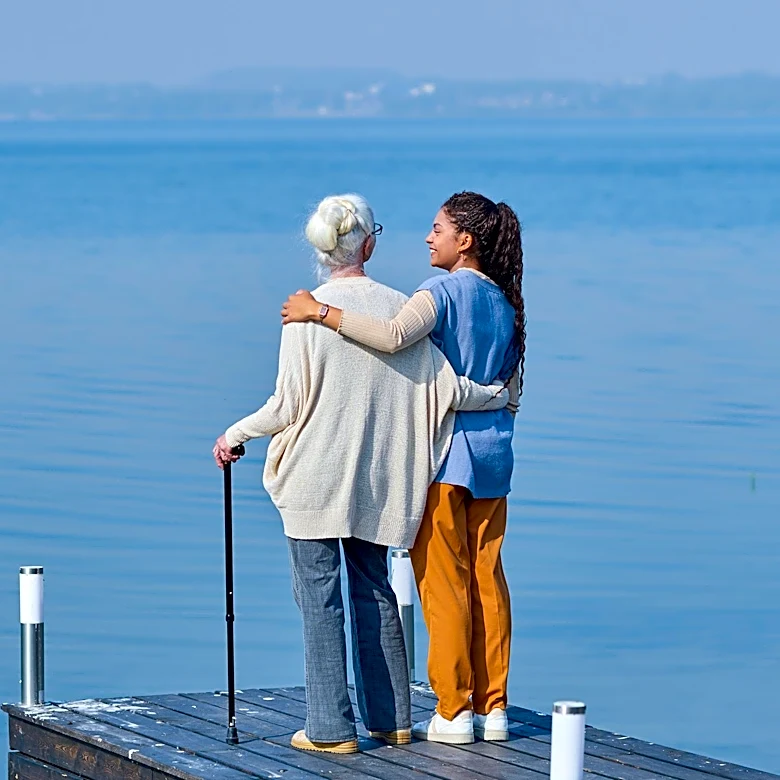
self-care positively affects their daily lives. Common self-care activities include walking, socializing, and grooming. The survey highlights that those who engage in regular self-care report higher happiness levels. Caregivers also notice improvements in confidence and emotional wellbeing among those they assist, emphasizing the importance of maintaining self-care routines for older adults.
Why It's Important?
The findings underscore the critical role of self-care in promoting mental and physical health among older adults. As the U.S. population ages, understanding and supporting self-care practices can enhance the quality of life for seniors, reduce healthcare costs, and alleviate caregiver burdens. The survey suggests that self-care contributes to independence and dignity, which are vital for aging populations. This insight can inform public health strategies and caregiving practices, encouraging policies that support accessible self-care resources for seniors.
Beyond the Headlines
The emphasis on self-care reflects broader societal shifts towards holistic health and wellness. As older adults increasingly prioritize self-care, there may be a growing demand for products and services that cater to this demographic. Additionally, the survey highlights the reciprocal nature of caregiving, where caregivers also benefit from the positive effects of self-care. This dynamic could influence future caregiving models and inspire innovations in elder care, focusing on mutual wellbeing and empowerment.