






What's Happening?
Sunswap, a company specializing in integrated cold chain technology systems, has launched its electric refrigeration units in Chile as part of Walmart Chile's supply chain. This deployment marks a significant step towards diesel-free logistics operations
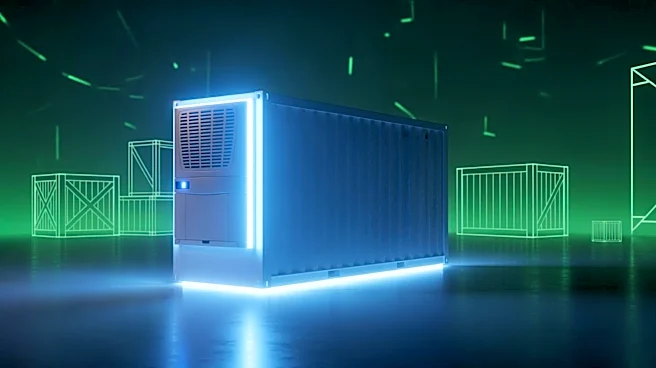
in the region. The Endurance units, provided by Sunswap through Trailer Logistics, are now operational on routes between Santiago, La Serena, and Concepción. These units replace traditional diesel-powered refrigeration systems, utilizing existing infrastructure at cold storage facilities and leveraging Chile's high solar contribution to extend operational range and reduce charging costs. The system integrates hardware, software, and service to monitor performance, energy consumption, temperature, and unit health, providing comprehensive fleet visibility.
Why It's Important?
The introduction of Sunswap's electric refrigeration units in Chile represents a pivotal move towards sustainable logistics, reducing reliance on diesel fuel in temperature-controlled transport. This initiative aligns with global efforts to decrease carbon emissions and promote environmental sustainability. By eliminating diesel engines in both tractors and trailers, the operation not only cuts fuel costs but also minimizes maintenance expenses, offering operators greater control over logistics processes. This development could set a precedent for other regions and industries, encouraging the adoption of zero-emission technologies in supply chains worldwide. The success of this deployment may influence policy decisions and inspire further investments in green technology.
What's Next?
As Sunswap's electric reefers continue to operate in Chile, the company may explore expanding its technology to other regions and industries. The success of this initiative could lead to increased interest from global retailers and logistics companies seeking sustainable solutions. Additionally, the performance data collected from these units could inform future innovations and improvements in electric refrigeration technology. Stakeholders, including environmental groups and government agencies, may advocate for broader adoption of such technologies, potentially influencing regulatory frameworks and incentives for green logistics solutions.