






What's Happening?
Kevin O'Leary has decided to significantly reduce the size of his proposed data center project in Utah following backlash from local lawmakers and community members. The project, known as the Stratos Project, was initially planned to cover 40,000 acres
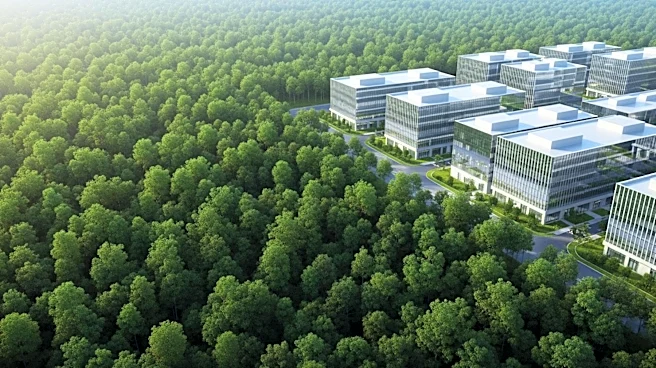
in Box Elder County. However, O'Leary has agreed to cut the project area nearly in half, leaving much of the land as open space. This decision comes after Utah Senate President J. Stuart Adams and others expressed concerns about the project's potential impact on energy prices, water usage, and the environment. The data center was expected to require between 7.5 to 9 gigawatts of power, making it one of the largest in the United States. Despite the reduction in size, the project's job estimates remain unchanged, with expectations of creating 4,500 construction jobs and 2,500 permanent operations jobs.
Why It's Important?
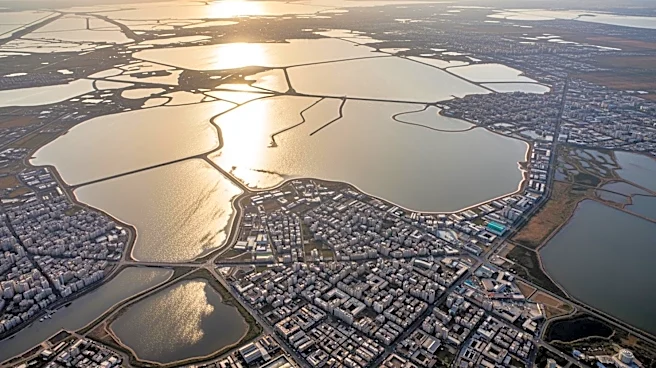
The decision to scale back the Stratos Project highlights the growing tension between technological development and environmental conservation. As data centers become increasingly vital for supporting AI and other digital infrastructures, their environmental footprint is under scrutiny. The reduction in the project's size is a response to concerns about its impact on local ecosystems, particularly the Locomotive Springs Waterfowl Management Area. This move could set a precedent for future data center projects, emphasizing the need for balance between technological advancement and environmental stewardship. The outcome of this project could influence public policy and regulatory approaches to similar developments across the U.S., affecting stakeholders in the tech industry, environmental groups, and local communities.
What's Next?
The Stratos Project still faces a comprehensive review process before it can proceed. This includes obtaining necessary permits and undergoing environmental assessments. The project's future will depend on meeting the conditions outlined by state lawmakers, including commitments to water conservation for the Great Salt Lake. As the review process unfolds, stakeholders such as environmental groups, local residents, and industry leaders will likely continue to voice their opinions. The project's progress will be closely monitored as it could impact future data center developments and regulatory frameworks.