





What's Happening?
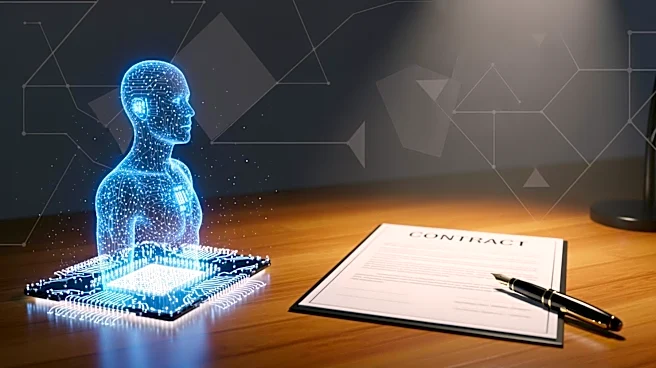
The rapid advancement of artificial intelligence (AI) in influencer marketing is transforming creator contracts, focusing on digital identity and likeness rights. Traditionally, creator agreements included standard clauses for content usage across various
media. However, the rise of AI-generated content has complicated these contracts, as brands seek perpetual rights to creator likenesses. This shift is driven by the widespread adoption of AI in marketing, with many brands using AI for creator-related tasks. The complexity of these contracts is further exacerbated by the fast pace of AI development, leading to legal challenges and the introduction of 'kill switches'—contractual provisions allowing creators to revoke their likeness rights if misused. The industry is grappling with defining what constitutes a creator's likeness, including face, voice, and behavior, and how these elements are licensed in AI deals.
Why It's Important?
The implications of AI in influencer marketing are significant, affecting both creators and brands. For top-tier creators, AI cloning can enhance their negotiating power, turning their likeness into a valuable intellectual property asset. However, mid-tier creators may face challenges as brands could opt to use AI clones instead of maintaining multiple creator relationships, potentially reducing opportunities for these creators. This shift could alter the economics of influencer marketing, prioritizing ownership and trust over content volume. Additionally, consumer skepticism towards AI-generated content remains high, with many valuing human authenticity. This tension highlights the need for brands to balance AI adoption with maintaining consumer trust.
What's Next?
As AI continues to evolve, the influencer marketing industry may see increased scrutiny over creator contracts and the ethical use of AI-generated content. Brands and creators will need to navigate the legal and reputational risks associated with AI, potentially leading to new regulations governing biometric data and digital identity. The industry may also witness a shift in how creators are valued, with those who have established strong audience relationships being better positioned in the AI era. The ongoing development of AI tools will likely prompt further discussions on ownership, consent, and the future of the creator economy.
Beyond the Headlines
The rise of AI in influencer marketing raises broader questions about intellectual property, consent, and labor economics. As AI tools enable the creation of content without direct human involvement, the definition of a creator may shift from someone who produces content to someone who owns a digital identity. This transformation could lead to new business models where creators license their likenesses for AI-generated campaigns, potentially reshaping the landscape of influencer marketing. The industry will need to address these challenges to ensure fair compensation and protection for creators in the digital age.