


What's Happening?
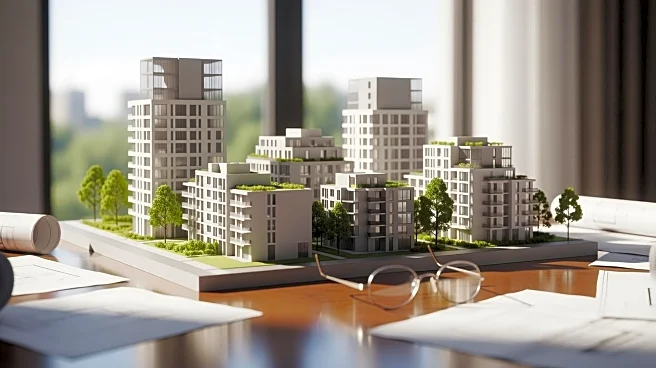
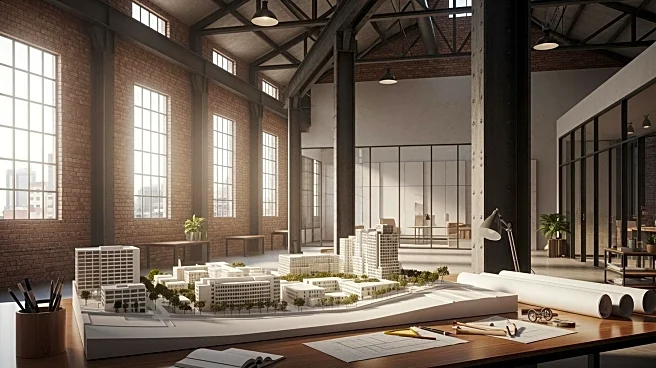
The pace of urban residential infill projects in large metro areas is slowing, prompting calls for regulatory reforms to revitalize this market segment. According to a report by Multifamily Dive, the market share of apartment starts in core counties of large metros has been on a downward trend, with a 12.3% decline in the second quarter of 2025 on a year-over-year moving average. This slowdown is attributed to a recent oversupply of projects, making medium and large-scale infill developments financially riskier. The National Association of Home Builders suggests that adjustments to parking requirements, permit and impact fees, and zoning rules could stimulate more development. The bipartisan Build HUBS Act is also in play, aiming to boost housing
construction near transit hubs by easing some National Environmental Policy Act requirements.
Why It's Important?
The slowdown in urban infill projects could have significant implications for housing availability and urban density in major U.S. cities. Regulatory reforms could potentially unlock new development opportunities, addressing housing shortages and promoting sustainable urban growth. The Build HUBS Act, if successful, could facilitate the conversion of office spaces to residential units, thereby increasing housing supply in transit-accessible areas. This could benefit urban economies by attracting more residents and businesses, while also addressing environmental concerns by reducing urban sprawl.
What's Next?
If regulatory reforms are implemented, there could be a resurgence in urban infill projects, leading to increased construction activity and potentially stabilizing housing markets in major cities. Stakeholders, including developers and local governments, may need to collaborate to ensure that new regulations effectively balance development incentives with community needs. The progress of the Build HUBS Act will be crucial in determining the future landscape of urban housing development.