







What's Happening?
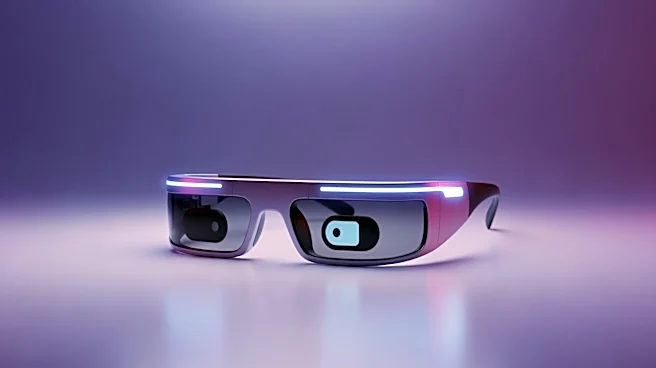
In 2026, several major brands are set to release advanced augmented reality (AR) glasses, marking a significant shift from prototype to retail-ready products. Meta's Ray-Ban Display, priced at $799, aims to provide augmented overlays, while Xreal and Pimax
focus on pocketable displays and gaming-grade optics, respectively. These developments suggest a move towards more practical and stylish AR wearables. The Meta Ray-Ban Display features a right-eye microdisplay and wristband controls, targeting users interested in overlay apps and notifications. Other notable entries include Ray-Ban Meta Gen 2, which combines sunglasses with a 12-MP camera, and Oakley Meta Vanguard, designed for sports use with integrated Garmin features.
Why It's Important?
The introduction of these AR glasses represents a potential transformation in how consumers interact with technology. By moving beyond prototypes, these products could redefine everyday tech use, offering new ways to integrate digital information into daily life. The focus on practical applications, such as social sharing and sports integration, suggests a broadening of the AR market beyond niche tech enthusiasts to mainstream consumers. This shift could drive significant growth in the AR sector, impacting industries ranging from consumer electronics to social media and sports.
What's Next?
As these products hit the market, consumer adoption will be a key factor in determining their success. Companies will likely focus on marketing strategies that highlight the practical benefits of AR technology, such as enhanced social interaction and improved productivity. The competitive landscape will also evolve, with brands vying to offer the most user-friendly and feature-rich devices. The success of these products could lead to further innovation and investment in AR technology, potentially influencing future developments in related fields such as virtual reality and wearable tech.