






What's Happening?
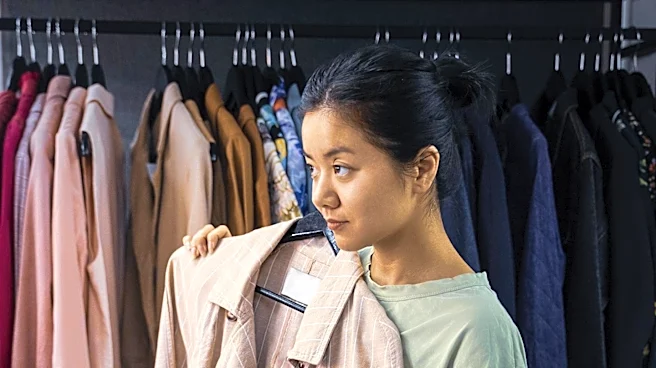
Andrea Cheong, a fashion educator and host of the podcast 'Fashion Our Future,' provides insights into identifying quality clothing in the era of fast fashion. Cheong emphasizes the importance of examining garments for signs of wear, such as snags and fabric
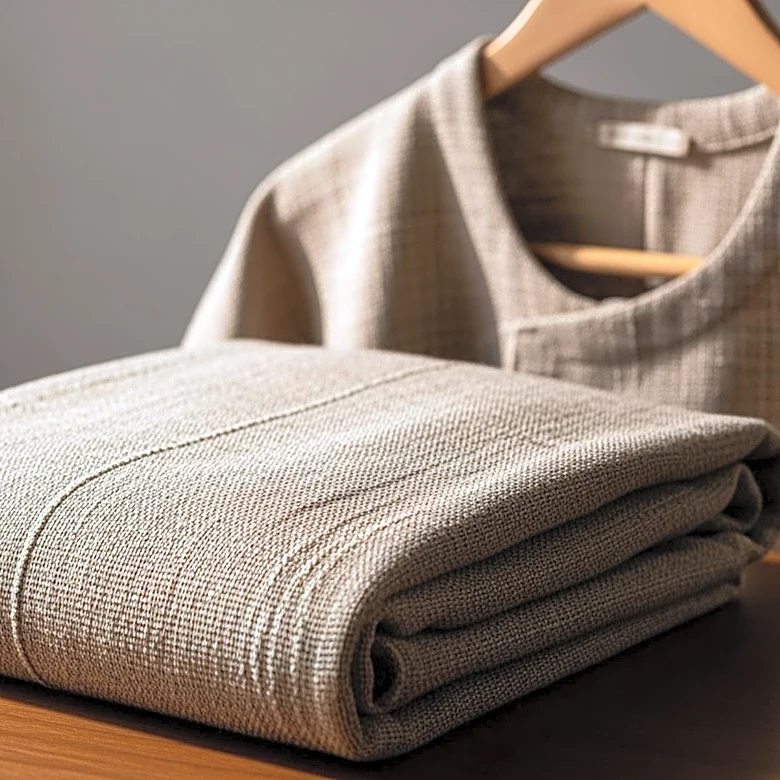
bubbling, which indicate poor quality. She advises turning garments inside out to check the quality of seams and construction. Cheong also highlights the importance of selecting materials appropriate for the garment's purpose, such as wool for warmth or linen for coolness. She cautions against equating durability with quality, noting that delicate materials like silk may require special care but are not necessarily of poor quality.
Why It's Important?
The insights provided by Andrea Cheong are significant as they address the challenges consumers face in the fast fashion industry, where the focus is often on quantity over quality. By educating consumers on how to identify well-made garments, Cheong empowers them to make more sustainable and informed purchasing decisions. This approach not only benefits consumers by ensuring they invest in durable clothing but also supports environmental sustainability by reducing waste. The emphasis on quality over quantity can lead to a shift in consumer behavior, encouraging more mindful shopping practices and potentially influencing the fashion industry's production standards.
What's Next?
As consumers become more educated about quality clothing, there may be increased demand for transparency in the fashion industry regarding manufacturing practices and material sourcing. Brands that prioritize quality and sustainability could gain a competitive edge, prompting others to adopt similar practices. Additionally, consumers might engage more in secondhand shopping and 'no-buy challenges' to reduce waste and promote sustainability. This shift could lead to broader industry changes, with more brands focusing on long-term quality and ethical production methods.
Beyond the Headlines
The movement towards quality clothing over fast fashion has deeper implications for the fashion industry, including potential changes in labor practices and environmental impact. As consumers demand higher quality and sustainability, brands may need to reassess their supply chains and labor conditions to meet these expectations. This could lead to improved working conditions for garment workers and a reduction in the environmental footprint of fashion production. Furthermore, the focus on personal style and quality may encourage consumers to value individuality over fleeting trends, fostering a more diverse and inclusive fashion landscape.