



What's Happening?
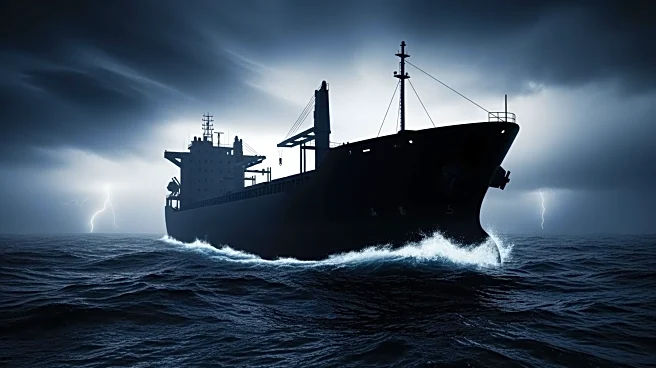
CMA CGM, a prominent French shipping and transport company, has announced precautionary measures in response to severe weather conditions affecting the Atlantic Ocean. The company is repositioning some of its vessels to safer locations to protect crews and cargo. This decision comes as the Atlantic experiences harsh weather, particularly impacting navigation along the French, Spanish, and Moroccan coastlines, with the Bay of Biscay being notably affected. The safety measures involve holding positions in areas such as the Seine Bay and Gibraltar, covering a wide area from southern Morocco to the English Channel. This move follows similar warnings from other shipping companies like Maersk and Hapag-Lloyd, which have also reported disruptions in cargo flows
across Europe due to storms and snow.
Why It's Important?
The decision by CMA CGM to reposition its vessels highlights the significant impact of severe weather on global shipping operations. The Atlantic Ocean is a critical route for international trade, and disruptions can have far-reaching effects on supply chains. By ensuring the safety of its vessels, CMA CGM aims to mitigate potential risks to its operations and maintain the integrity of its cargo deliveries. This situation underscores the vulnerability of maritime logistics to natural events and the importance of adaptive strategies in the shipping industry. The actions taken by CMA CGM and other companies reflect a proactive approach to managing environmental challenges, which is crucial for minimizing economic disruptions and ensuring the safety of maritime personnel.
What's Next?
As the severe weather conditions persist, shipping companies will likely continue to monitor the situation closely and adjust their operations accordingly. The focus will be on ensuring the safety of crews and cargo while minimizing delays in delivery schedules. Stakeholders in the shipping industry, including port authorities and logistics providers, may need to collaborate to address potential backlogs and maintain efficient cargo flow. Additionally, this event may prompt a reevaluation of contingency plans and risk management strategies within the industry to better prepare for future weather-related disruptions.