
What's Happening?
Red light therapy is gaining popularity as a non-invasive treatment for improving skin quality, particularly on the hands, which often show early signs of aging. Dermatologists like Dr. Melanie Palm and Dr. Mona
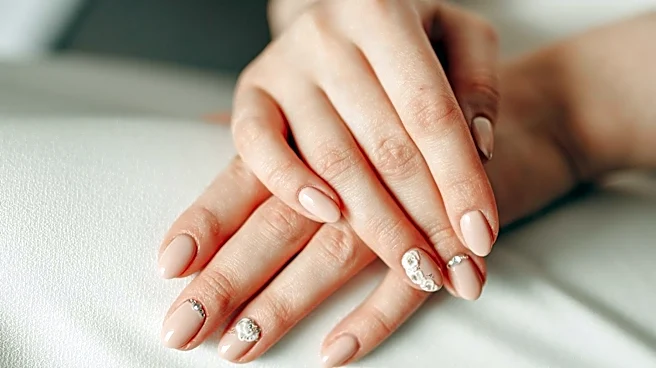
Foad explain that red light therapy works by delivering specific wavelengths of light into the skin, enhancing cellular energy, and promoting collagen and elastin production. This can help address issues such as fine lines, texture changes, and mild skin laxity. Research supports its effectiveness, showing improvements in skin tone and texture after consistent use. The therapy is particularly beneficial for hands, which have thinner skin and are more prone to visible aging due to environmental factors like sun exposure and frequent washing.
Why It's Important?
The significance of red light therapy lies in its potential to offer a non-invasive, well-tolerated option for those seeking to maintain youthful skin, particularly on the hands. As hands are often neglected in skincare routines, this therapy provides a method to combat aging signs without the need for more aggressive treatments. It supports the skin's natural repair processes, making it a valuable tool for those looking to prevent or reduce the visible effects of aging. This development is important for the beauty and wellness industry, offering consumers an accessible and effective skincare solution.
What's Next?
For individuals interested in red light therapy, dermatologists recommend consistent use of at-home devices, such as red light gloves or panels, to achieve the best results. While the therapy is not a quick fix, it can be an effective part of a comprehensive skincare routine when combined with other treatments like sunscreen and moisturizers. As the popularity of red light therapy grows, further research and product development are likely, potentially leading to more advanced and accessible options for consumers.
Beyond the Headlines
The rise of red light therapy reflects a broader trend towards non-invasive cosmetic treatments that prioritize skin health and natural enhancement over drastic changes. This shift aligns with increasing consumer demand for treatments that offer subtle, natural-looking results without significant downtime or risk. As awareness of the therapy's benefits grows, it may also influence cultural perceptions of aging and beauty, promoting a more holistic approach to skincare.