





What's Happening?
Shell is poised to report significantly higher profits from its commodity trading desks in the first quarter of the year, driven by market volatility stemming from the Iran crisis. The company's trading windfall is expected to be particularly pronounced
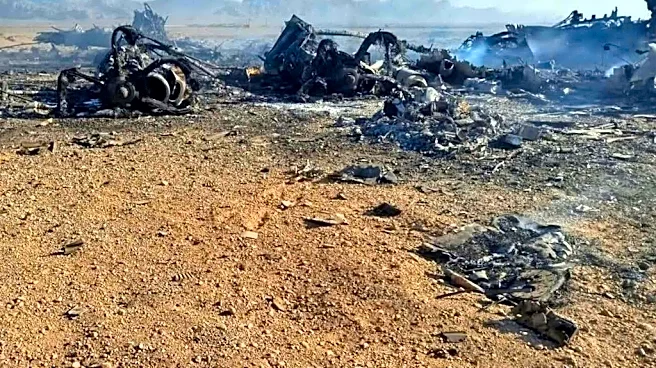
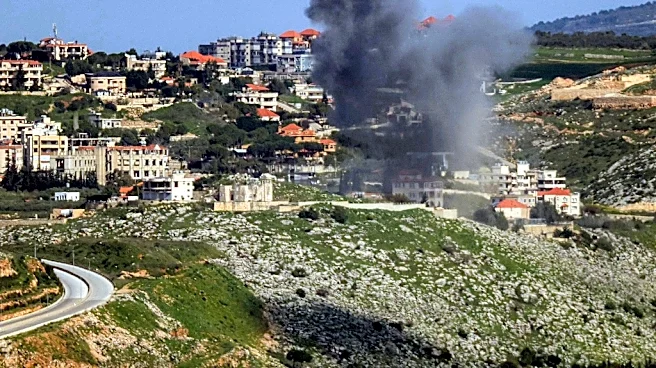
in its renewable energy division, with earnings projected to rise to between $200 million and $700 million, up from about $100 million in the previous quarter. However, Shell anticipates a reduction in gas production due to the Middle East conflict affecting its assets in Qatar. The conflict has led to historic price increases in oil and gas markets, following Iran's retaliation against US-Israeli actions by disrupting energy trade through the Strait of Hormuz and targeting key energy infrastructure in the Gulf region. This includes damage to Shell's assets at the Ras Laffan liquified natural gas complex in Qatar, resulting in an expected 5% drop in gas production.
Why It's Important?
The developments at Shell highlight the broader impact of geopolitical tensions on global energy markets. The surge in trading profits underscores the volatility and potential for financial gains in commodity markets during periods of conflict. However, the reduction in gas production due to the conflict in the Middle East poses challenges for energy supply, particularly in Europe, which could face shortages if the Strait of Hormuz remains closed. This situation emphasizes the interconnectedness of global energy markets and the potential for regional conflicts to have far-reaching economic consequences. Stakeholders in the energy sector, including governments and companies, must navigate these complexities to ensure stable energy supplies and manage market risks.
What's Next?
In response to the ongoing conflict, Shell and other energy companies are likely to continue working with governments to address the supply crisis. The temporary reopening of the Strait of Hormuz during a two-week ceasefire between the US and Iran may provide some relief to global markets, but the situation remains fluid. Companies will need to adapt their strategies to mitigate the impact of production disruptions and explore alternative sources of energy supply. Additionally, the potential for further geopolitical tensions could lead to continued volatility in energy markets, requiring ongoing vigilance and strategic planning by industry stakeholders.