


What's Happening?
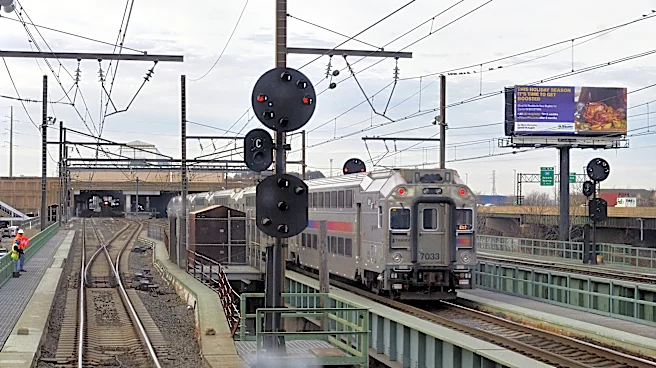
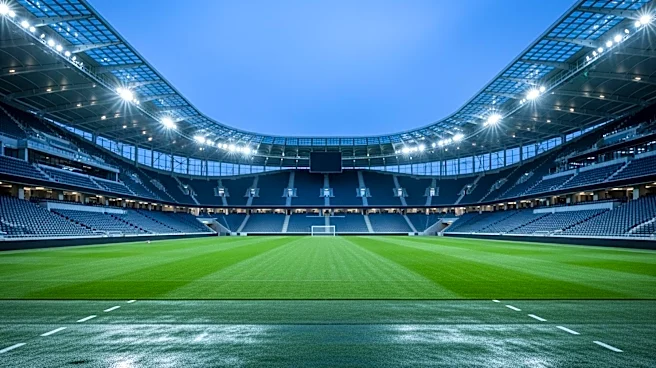
Fans planning to attend FIFA World Cup games at MetLife Stadium in New Jersey will face a significant increase in transportation costs. NJ Transit has announced that a round-trip ticket from New York City's Penn Station to MetLife Stadium will cost $150.
This fare applies to all passengers, including seniors, children, and disabled individuals, deviating from the usual discounted rates. Typically, the fare for this route is $12.90, but the increased demand for World Cup matches has led to this price hike. The decision comes as NJ Transit prepares to accommodate the influx of fans for the eight World Cup matches scheduled at the stadium, including the final match on July 19. Only ticketholders will be allowed on the Meadowlands Rail service, and access to the NJ Transit portion of Penn Station will be restricted to game attendees four hours before kickoff.
Why It's Important?
The substantial increase in transportation costs for World Cup attendees highlights the economic impact of hosting such a large-scale international event. The decision by NJ Transit reflects the high demand and logistical challenges associated with transporting thousands of fans to and from the stadium. This move could affect attendance, particularly for those who rely on public transportation and may find the new fare prohibitive. Additionally, it underscores the broader economic implications for local businesses and the hospitality industry, which may see increased activity due to the influx of international visitors. However, the high transportation costs could also deter some fans, potentially impacting overall attendance and revenue projections for the event.
What's Next?
As the World Cup approaches, NJ Transit and other transportation agencies will likely continue to refine their plans to manage the expected surge in ridership. Stakeholders, including local government officials and business leaders, may engage in discussions to address public concerns over the high transportation costs. There could be calls for alternative solutions or subsidies to make the event more accessible to a broader audience. Additionally, the response from fans and the public will be closely monitored, as it may influence future pricing strategies for large events. The outcome of these discussions could set a precedent for how transportation is managed for major sporting events in the future.