






What's Happening?
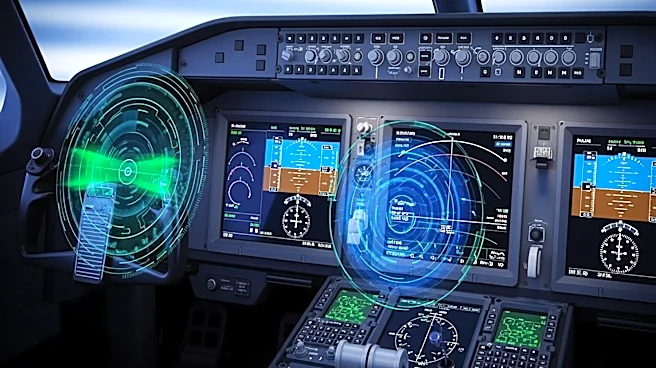
Boeing has announced the completion of initial flight tests for the updated Remote Vision System (RVS) 2.0 on the KC-46 tanker. This system, which includes ruggedized cameras and advanced control hardware, aims to improve the optical performance and reliability
of the tanker fleet. The RVS 2.0 will replace the problematic RVS 1.0 and is part of a broader agreement with the U.S. Air Force (USAF) to enhance KC-46 readiness. The agreement also includes repurposing early-build aircraft for spare parts and a performance-based logistics plan for refueling subsystems.
Why It's Important?
The KC-46 tanker is a critical component of the USAF's modernization efforts, and the successful implementation of RVS 2.0 is expected to significantly enhance the fleet's operational readiness. This development addresses previous challenges with the KC-46 program, which have cost Boeing over $8 billion. The improved system is anticipated to provide the USAF with a more reliable and efficient refueling capability, which is essential for maintaining air superiority and supporting global military operations.
What's Next?
Following the successful flight tests, Boeing will proceed with the certification and delivery of RVS 2.0. The USAF's decision to purchase additional KC-46s, contingent on resolving outstanding issues, suggests a continued commitment to this platform. The new agreement between Boeing and the USAF is expected to foster a more collaborative relationship, with Boeing taking on greater responsibility for ensuring fleet readiness.
Beyond the Headlines
The KC-46 program's challenges and subsequent improvements highlight the complexities of modern military procurement and the importance of technological innovation in defense. The collaboration between Boeing and the USAF may serve as a model for future defense contracts, emphasizing performance-based outcomes and shared accountability.