






What's Happening?
The Oregon Ducks have announced their 2026-27 Big Ten basketball schedule, following a challenging previous season under coach Dana Altman. The Ducks ended last season with a 12-20 overall record and a 5-15 record in Big Ten play. The upcoming season's
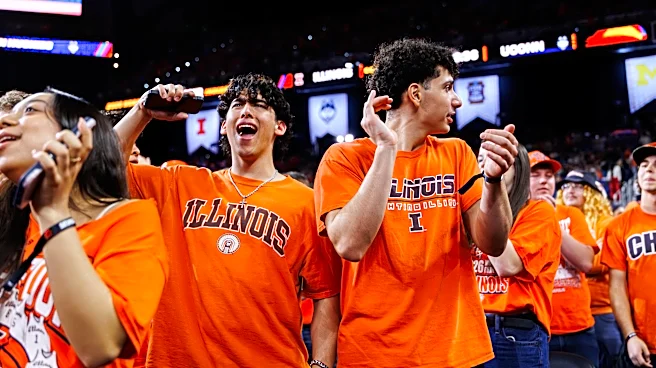
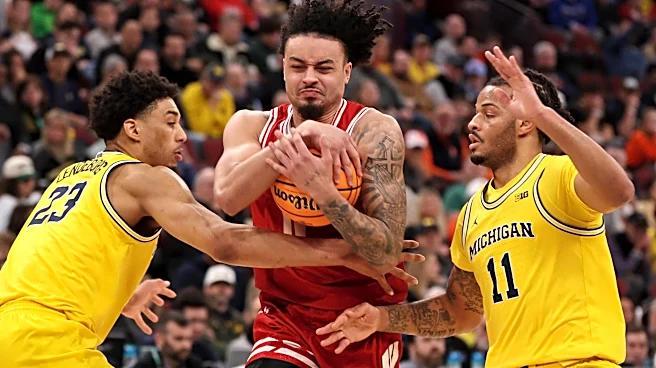
schedule includes home games against top Big Ten teams such as the Purdue Boilermakers and the Illinois Fighting Illini, both of whom were formidable opponents last season. The Ducks aim to leverage these home games to improve their performance and potentially secure a spot in the expanded 76-team NCAA Tournament. Additionally, the Ducks will face tough road games against the Michigan Wolverines and Michigan State Spartans, both known for their strong performances in the Big Ten.
Why It's Important?
This schedule release is significant as it sets the stage for the Oregon Ducks to potentially rebound from a disappointing season. The inclusion of high-profile games against top-tier Big Ten teams provides the Ducks with opportunities to prove their competitiveness and improve their standings. Success in these games could enhance their chances of qualifying for the NCAA Tournament, which has been expanded to include 76 teams. The Ducks' performance in these matchups will be crucial for their reputation and could impact recruitment and future scheduling. The games against Purdue and Illinois, in particular, are seen as key opportunities for the Ducks to demonstrate their growth and resilience.
What's Next?
The Ducks will prepare for the upcoming season by focusing on strengthening their team dynamics and strategies, especially against high-caliber opponents. Coach Dana Altman will likely emphasize the importance of home-court advantage in games against Purdue and Illinois. The team will also need to prepare for the challenging road environments at Michigan and Michigan State. As the season progresses, the Ducks' performance will be closely watched by fans and analysts, with particular attention on how they handle the pressure of playing against top Big Ten teams. Success in these games could lead to increased visibility and support for the program.