




What's Happening?
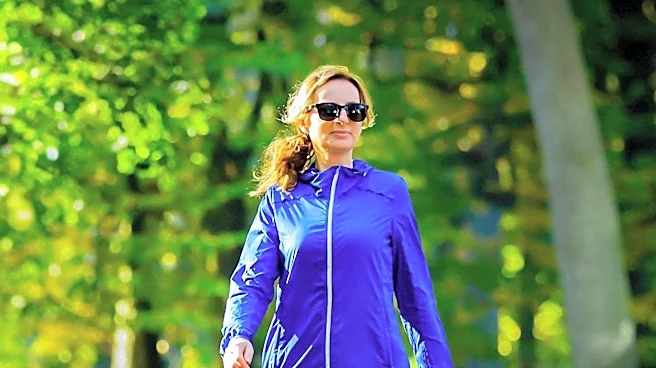
A recent study has raised concerns about the effectiveness of walking as the primary form of exercise for Americans. Despite its popularity and benefits such as improved blood pressure, stroke prevention, and enhanced creativity, walking alone may not
meet federal guidelines for combined aerobic and muscle-strengthening activities. The study, conducted by researchers analyzing data from the CDC's Behavioral Risk Factor Surveillance System, found that walkers scored second to last in meeting these guidelines, ahead of only the 'lawn/gardening' cohort. Experts suggest incorporating bodyweight resistance training or walking at a faster pace or uphill to enhance the benefits of walking.
Why It's Important?
The findings of this study are significant as they challenge the perception of walking as a comprehensive workout. While walking is accessible and beneficial for various health aspects, it may not be sufficient for overall fitness according to federal guidelines. This could impact public health recommendations and encourage individuals to diversify their exercise routines to include strength training. The study's results may also influence fitness industry trends, potentially leading to increased promotion of more varied exercise regimens that combine aerobic and muscle-strengthening activities.
What's Next?
As the study gains attention, it is likely that health experts and fitness influencers will advocate for more balanced exercise routines. Public health campaigns may adjust their messaging to emphasize the importance of incorporating strength training into daily activities. Fitness centers and app developers might see an opportunity to create programs that integrate walking with other forms of exercise, catering to those who prefer walking but need additional activities to meet health guidelines.
Beyond the Headlines
The study's implications extend beyond physical health, touching on cultural attitudes towards exercise. Walking is often seen as a low-impact, accessible activity, but the need for additional exercise could shift societal norms around fitness. This may lead to a broader discussion on how to make diverse exercise options more accessible to all demographics, including those with limited mobility or resources.