







What's Happening?
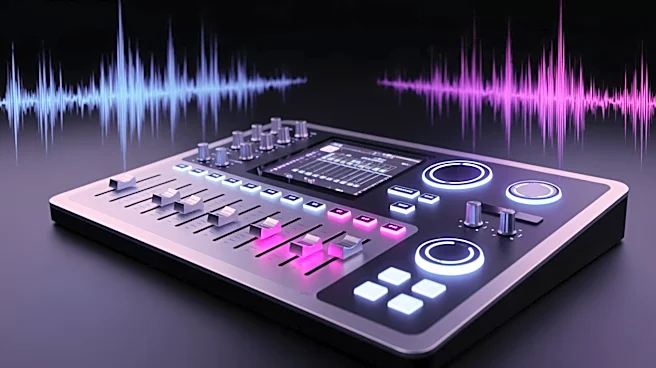
Spotify has announced a new licensing agreement with Universal Music Group that will allow subscribers to create AI-generated covers and remixes of songs from participating artists. This initiative aims to provide an additional source of income for artists and songwriters
by compensating them for the use of their music in these AI-generated creations. Spotify's co-chief executive, Alex Norström, emphasized the importance of making Spotify the 'legal' and 'controlled' platform for such AI music tools, distinguishing it from other 'rogue' attempts in the market. The tool is designed to transform a single song into potentially thousands of variations, offering a new dimension to music consumption and creation.
Why It's Important?
The introduction of AI-generated music tools by Spotify represents a significant shift in the music industry, where technology is increasingly influencing how music is created and consumed. This move could potentially reshape the economic landscape for artists, providing them with new revenue streams. However, it also raises questions about the creative integrity of music and the role of AI in artistic expression. By compensating artists for AI-generated remixes, Spotify aims to address concerns about unauthorized use of music and ensure that creators receive due credit and financial benefits. This development could set a precedent for how other music platforms handle AI-generated content.
What's Next?
As Spotify rolls out this new tool, the music industry will be closely watching its impact on artists and consumers. The success of this initiative could lead to broader adoption of AI tools in music production and distribution. Artists and record labels may need to adapt to this new model, potentially influencing how music rights are managed and monetized. Additionally, the response from Spotify's user base will be crucial in determining the tool's acceptance and effectiveness. The industry may also see increased discussions around the ethical implications of AI in music, prompting further innovation and regulation.