





What's Happening?
Hyundai has resumed sales of its 2026 Palisade SUV, specifically the Calligraphy and Limited trims, after addressing safety concerns that led to a recall and sales halt in March. The pause followed the tragic death of a two-year-old girl, prompting Hyundai to issue
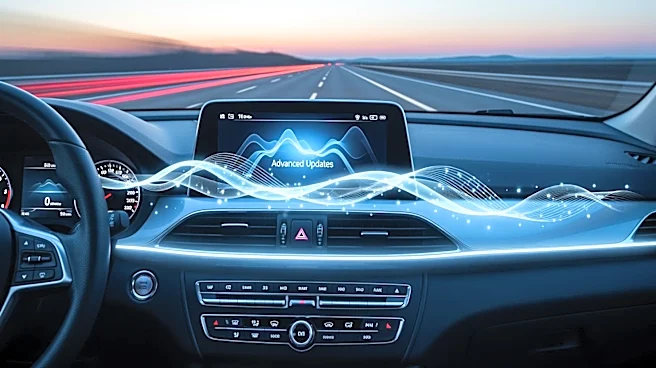
a recall and stop-sale order on March 13. The automaker has now implemented a software fix for the powered second- and third-row seats, which was the source of the safety issue. This fix includes disabling certain functions and updating the detection software to enhance occupant recognition. The update can be delivered over-the-air to vehicles with an active Bluelink subscription, or customers can opt to have it installed at a dealership. Once the software update is applied to vehicles in dealer inventories, sales can resume.
Why It's Important?
The resumption of sales for the 2026 Palisade is significant for Hyundai as it addresses a critical safety issue that had halted sales and potentially impacted consumer trust. By implementing a software fix, Hyundai aims to restore confidence in its vehicle safety standards. This development highlights the growing importance of software in vehicle safety and the automotive industry's shift towards over-the-air updates as a means to quickly address and rectify issues. The incident underscores the need for rigorous safety checks and the potential consequences of software-related failures in modern vehicles. For consumers, it emphasizes the importance of staying informed about vehicle recalls and updates to ensure safety.
What's Next?
Hyundai will likely monitor the effectiveness of the software fix and continue to engage with customers to ensure the safety of its vehicles. The company may also face increased scrutiny from regulatory bodies and consumer safety organizations to ensure compliance with safety standards. Additionally, Hyundai might implement more stringent testing and quality assurance processes for future models to prevent similar issues. The automotive industry as a whole may see a push towards more robust software development and testing protocols to enhance vehicle safety and reliability.