


What's Happening?
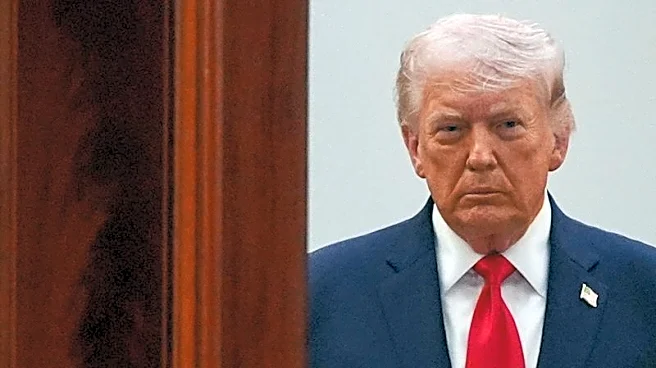
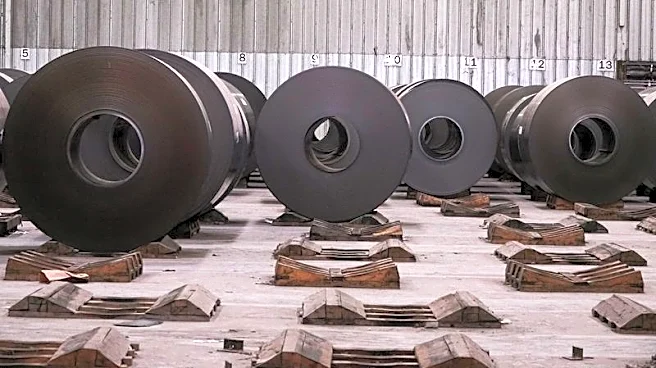
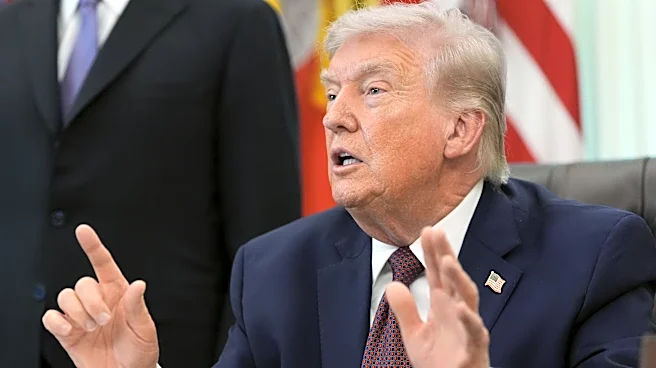
President Trump issued a proclamation adjusting tariffs on aluminum, steel, and copper imports to address national security concerns. The tariffs, set at 50% for most metal products, aim to bolster domestic industries and reduce reliance on foreign imports.
The policy includes reduced rates for certain products from the United Kingdom and those made entirely with U.S. metals. The decision follows recommendations from the Secretary of Commerce, who reported increased domestic capacity utilization due to previous tariff regimes. The adjustments are intended to further strengthen U.S. manufacturing and encourage domestic production capacity expansion.
Why It's Important?
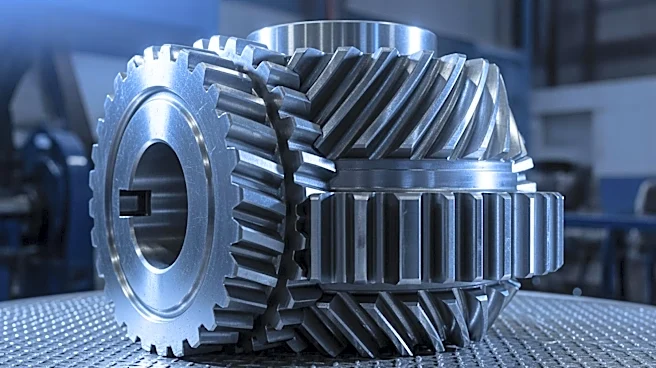
The tariff adjustments are significant for U.S. industries, particularly aluminum, steel, and copper sectors. By imposing higher tariffs, the policy seeks to protect national security by reducing dependency on foreign metals and enhancing domestic production capabilities. This move could lead to increased investment in U.S. manufacturing and job creation. However, it may also result in higher costs for industries reliant on imported metals, potentially affecting consumer prices and international trade relations. The policy reflects ongoing efforts to prioritize national security in trade decisions.
What's Next?
The new tariffs will take effect on April 6, 2026, with ongoing monitoring by the Secretary of Commerce and the U.S. Trade Representative. They will assess the impact on national security and domestic industries, providing updates and recommendations for further action. The policy may prompt negotiations with trading partners, particularly the United Kingdom, to address tariff impacts. Industries affected by the tariffs will need to adapt to changing import costs and explore domestic sourcing options.