





What's Happening?
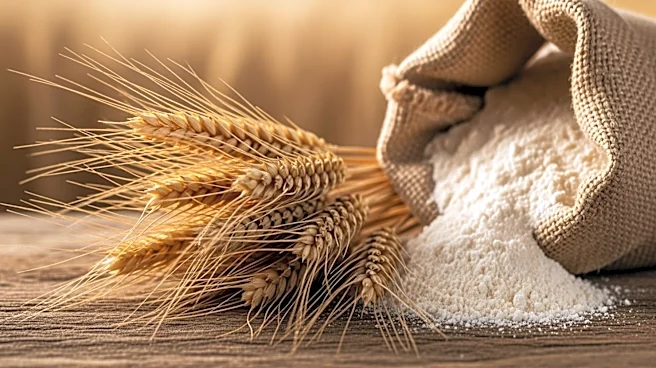
Farinart, a company specializing in grain processing for the baking industry, has launched a new line of 100% locally grown whole-grain bakery flours. These flours are produced under regenerative agriculture principles, aimed at artisanal bakeries looking
to create sustainable, low-carbon, and traceable bread products. The grains are sourced from farms in Québec and include varieties such as soft and hard red winter wheat, winter rye, and malted winter barley. By using stone-milling techniques, Farinart ensures that the flours retain maximum flavor and nutritional density, which are essential for high-end artisanal baking. The initiative is part of Farinart's broader ESG strategy, which focuses on natural processes, clean-label formulations, and reducing the environmental footprint of its bakery ingredients.
Why It's Important?
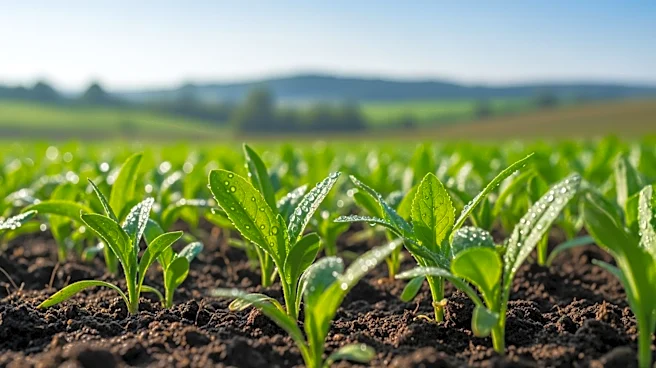
This development is significant as it aligns with the growing consumer demand for sustainable and environmentally friendly food products. By focusing on regenerative agriculture, Farinart is contributing to soil health restoration, carbon sequestration, and biodiversity enhancement. This approach not only supports local farmers but also strengthens regional food systems and promotes sustainable agricultural practices. The introduction of these flours provides artisanal bakeries with the opportunity to offer products that are closer to carbon-neutral, appealing to environmentally conscious consumers. Additionally, the move supports the transition to sustainable agriculture, which is crucial for long-term food security and environmental health.
What's Next?
Farinart plans to continue expanding its capabilities in the baking mixes market, with a new production site in Saint-Cyrille, Quebec. This facility will produce a variety of customized baking mixes using sustainable, clean-label ingredients. The company's R&D team is focused on creating healthy, nutritious, and tailor-made concentrates and ready-to-use mixes. As Farinart continues to innovate and expand its product offerings, it is likely to influence other companies in the baking industry to adopt similar sustainable practices. The success of this initiative could lead to increased consumer awareness and demand for sustainable baking products, potentially driving further industry-wide changes.