






What's Happening?
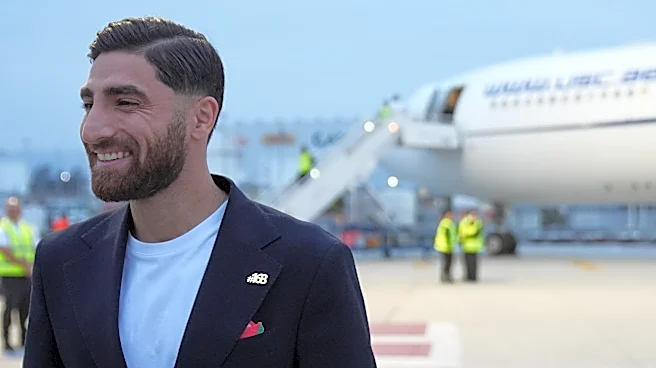
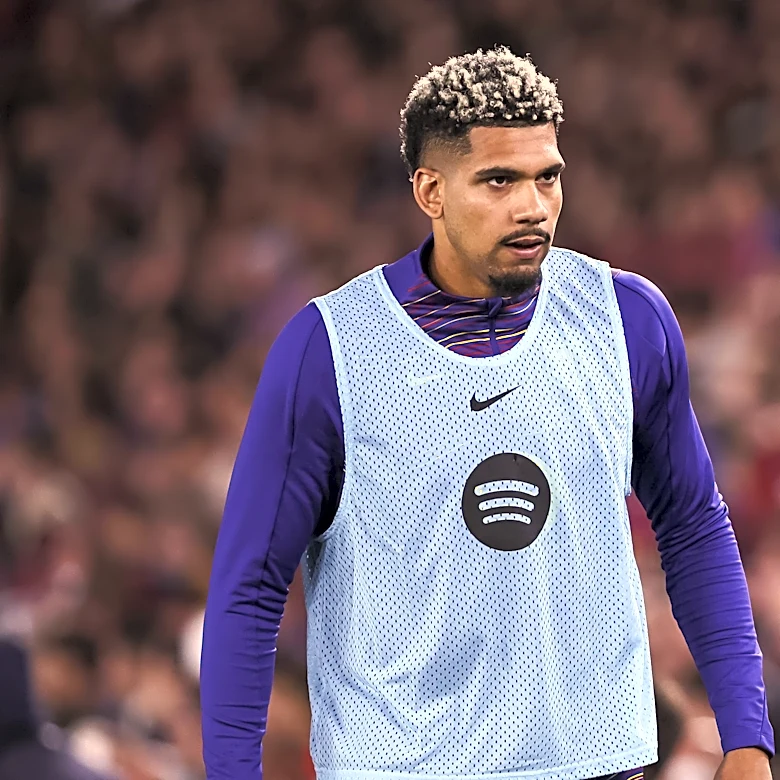
The Iranian World Cup soccer team has arrived in Tijuana, Mexico, wearing gold-colored lapel pins to honor the victims of a missile strike on an elementary school in Minab, Iran. The pins, marked with '#168', commemorate the number of people killed in the attack,
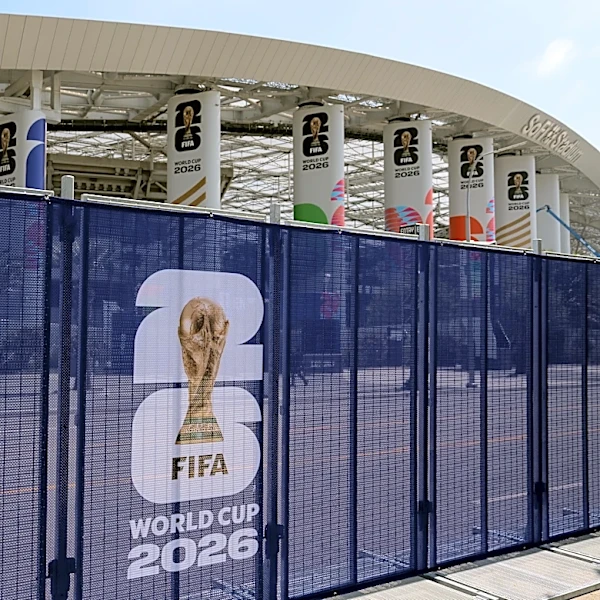
most of whom were schoolgirls. The team is preparing for its group-stage matches in the United States, with the first game scheduled against New Zealand at SoFi Stadium in Los Angeles. The decision to base the team in Mexico instead of Tucson, Arizona, was made due to delays in processing U.S. visas for some Iranian players and officials, reportedly linked to their ties with the Iranian Revolutionary Guard. FIFA has not commented on whether the pins will be allowed during matches, as their regulations prohibit political, religious, or personal statements on equipment.
Why It's Important?
This development highlights the intersection of sports and international politics, as the Iranian team's actions bring attention to the ongoing tensions in the Middle East and the humanitarian impact of military conflicts. The visa delays underscore the complexities of international relations, particularly between the U.S. and Iran, and the challenges faced by athletes in navigating these geopolitical landscapes. The team's symbolic gesture of wearing pins could influence public perception and draw global attention to the plight of civilians affected by military actions. Additionally, FIFA's response to the situation may set a precedent for how political expressions are handled in international sports events.
What's Next?
The Iranian team is set to play its first match on June 15, and it remains to be seen how FIFA will address the issue of the pins. The organization's decision could impact future expressions of political or humanitarian solidarity by athletes. Meanwhile, the U.S. military's investigation into the missile strike continues, which may affect diplomatic relations and public opinion. The outcome of these matches and the team's actions could further influence the narrative around Iran's participation in the World Cup and its broader international relations.