


What's Happening?
Sysco, the largest food distributor in the United States, has announced its acquisition of Restaurant Depot in a deal valued at over $29 billion. This strategic move aims to strengthen Sysco's position in the high-margin 'cash-and-carry wholesale' segment,
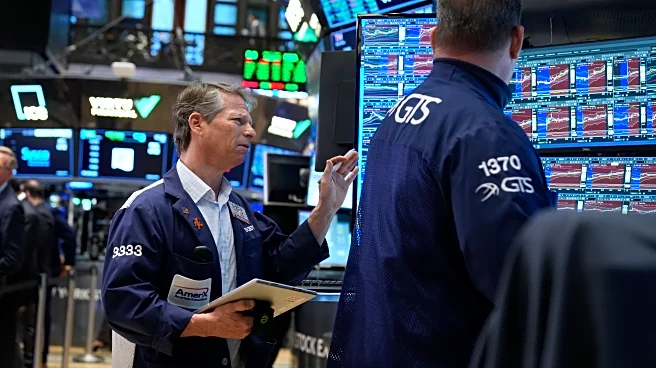
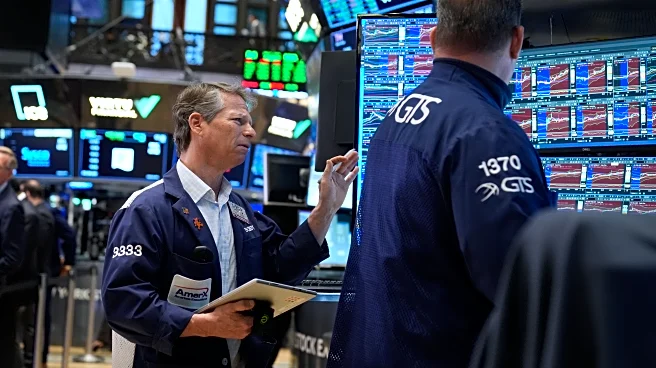
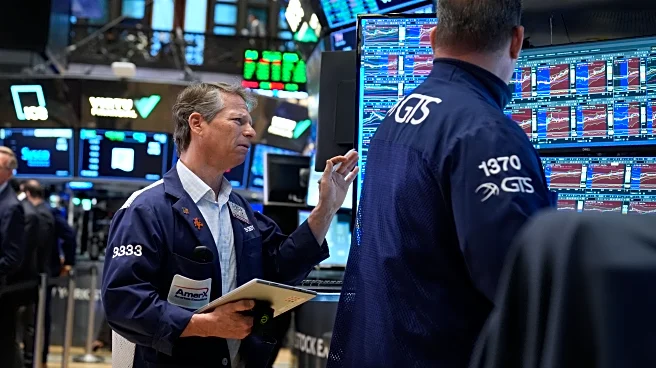
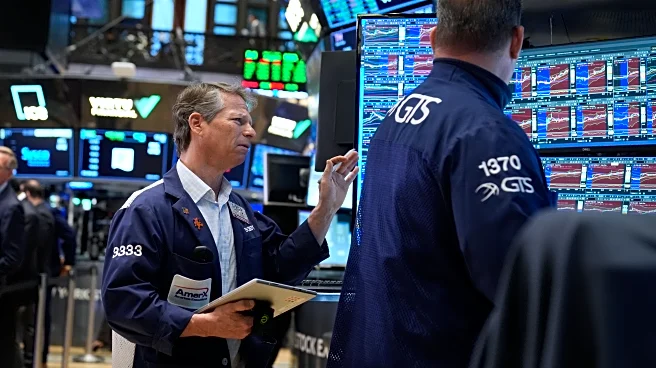
which caters to restaurants and other businesses needing quick access to supplies. Restaurant Depot, known for its membership-based model, provides a wide range of products to small and independent restaurants. The acquisition will allow Sysco to offer a more comprehensive service to its existing customer base, which includes over 700,000 restaurants, hospitals, schools, and hotels. The deal involves a cash payment of $21.6 billion and the issuance of 91.5 million Sysco shares to Restaurant Depot shareholders. The boards of both companies have approved the acquisition, but it still requires regulatory approval. Following the announcement, Sysco's shares fell by 13%, reflecting investor concerns over the cost of the acquisition.
Why It's Important?
This acquisition is significant as it represents a major consolidation in the food distribution industry, potentially altering the competitive landscape. By integrating Restaurant Depot's cash-and-carry model, Sysco can enhance its service offerings, particularly for smaller, independent restaurants that rely on quick and flexible supply solutions. This move could lead to increased market share for Sysco, as it becomes a more integral part of the supply chain for these businesses. However, the substantial financial outlay required for the acquisition has raised concerns among investors, as evidenced by the drop in Sysco's stock price. The deal's success will depend on how well Sysco can integrate Restaurant Depot's operations and leverage its new capabilities to drive growth and profitability.
What's Next?
The acquisition is pending regulatory approval, which will be a critical next step. If approved, Sysco will need to focus on the integration process, ensuring that the combined operations of Sysco and Restaurant Depot are seamless and efficient. This will involve aligning supply chain logistics, customer service, and product offerings. Additionally, Sysco will need to address investor concerns by demonstrating the long-term value and growth potential of the acquisition. The company may also face increased scrutiny from competitors and regulators, given the significant market share it will hold post-acquisition.