






What's Happening?
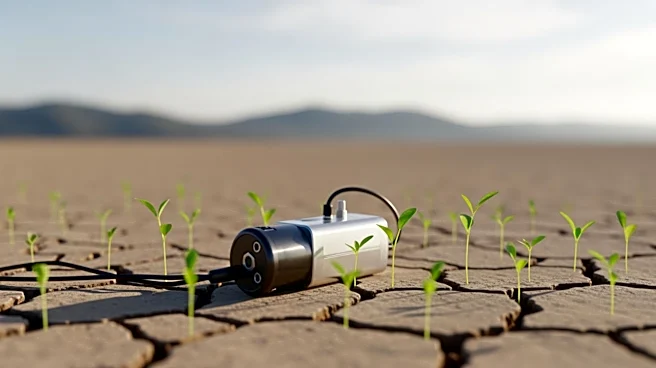
Polaris Seismic International, a Canadian seismic company, has partnered with STRYDE to implement a more sustainable model for land seismic operations. STRYDE's nodal system, known for its lightweight and wireless design, is now a core component of Polaris's
operations across Africa and other regions. This technology allows for high-density seismic data collection with fewer resources, reducing environmental impact and operational costs. The collaboration emphasizes community engagement, with Polaris sourcing local resources and labor, thereby benefiting the communities where they operate. This approach aligns with Polaris's commitment to responsible exploration and community upliftment.
Why It's Important?
The partnership between Polaris and STRYDE highlights a significant shift towards more sustainable and efficient seismic exploration methods. By reducing the environmental footprint and operational costs, this model addresses growing concerns about the impact of oil and gas exploration on local ecosystems. Additionally, the focus on community engagement ensures that local populations benefit from these operations, fostering goodwill and support for future projects. This approach could set a precedent for the industry, encouraging other companies to adopt similar practices that balance economic goals with environmental and social responsibilities.
What's Next?
As Polaris continues to expand its operations, the company plans to integrate STRYDE's technology into new markets, including mineral exploration and shallow subsurface imaging. This expansion could further demonstrate the viability of sustainable seismic operations in diverse environments. The success of this model may prompt other companies to explore similar partnerships, potentially leading to industry-wide changes in how seismic data is collected and utilized. Additionally, ongoing technological advancements in seismic equipment could enhance data quality and operational efficiency, further supporting sustainable exploration efforts.