






What's Happening?
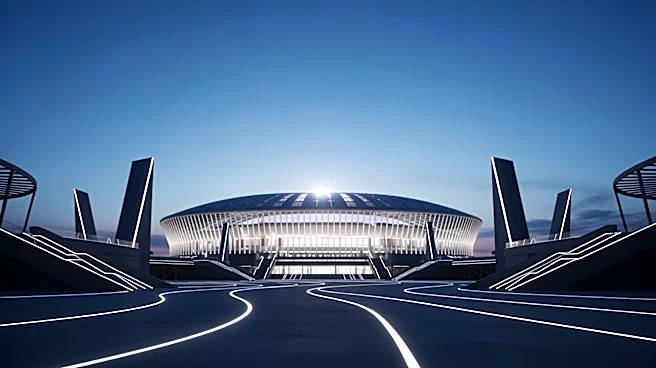
Saudi Arabia is investing heavily in sports infrastructure as part of its 'golden sports decade,' with plans to host major events like the FIFA World Cup 2034 and the Asian Games 2034. The Kingdom is focusing on building new smart stadiums and enhancing
existing facilities to support these events. The sports market in Saudi Arabia is projected to grow significantly, with investments aimed at creating a lasting legacy beyond the events themselves. The goal is to ensure that these facilities are utilized by communities and athletes long after the events have concluded.
Why It's Important?
The investments in sports infrastructure are part of Saudi Arabia's broader Vision 2030 initiative to diversify its economy and enhance its global image. By hosting major international sports events, the Kingdom aims to position itself as a regional sports hub and attract tourism and investment. The success of these investments will be measured by their ability to create sustainable sports ecosystems that benefit local communities and foster athletic talent. This approach aligns with global trends where sports infrastructure is seen as a driver of economic and social development.
What's Next?
As Saudi Arabia continues to develop its sports infrastructure, the focus will be on ensuring that these investments translate into long-term benefits for the Kingdom. This includes creating pathways for local athletes, enhancing community engagement, and integrating sports facilities into broader urban development plans. The success of these efforts will depend on effective planning, management, and collaboration with international sports organizations. The Kingdom's ability to leverage these investments for economic and social gains will be closely watched by stakeholders in the sports and development sectors.
Beyond the Headlines
The emphasis on sports infrastructure highlights the role of sports as a tool for national development and international diplomacy. Saudi Arabia's investments reflect a strategic effort to use sports as a means of cultural exchange and soft power. The focus on legacy and community impact underscores the importance of sustainable development in sports planning. As the Kingdom seeks to balance its ambitious sports agenda with broader economic and social goals, the outcomes of these investments will provide valuable insights for other countries pursuing similar strategies.