

What's Happening?
A recent study by ECOnorthwest highlights the significant impact of the sports industry on Oregon's economy, revealing that spectator sports contributed over $1.7 billion in 2024. The report, presented at the inaugural Sports Economic Summit in Portland,
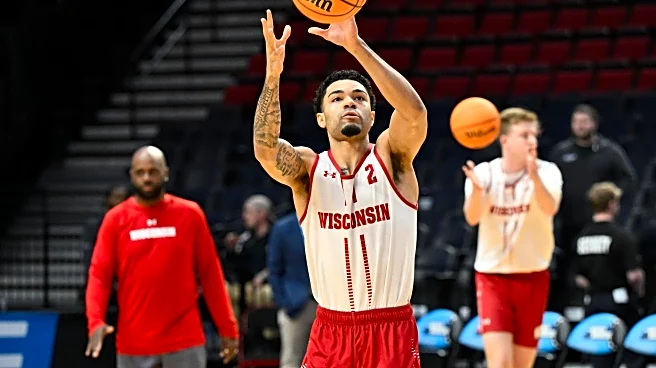
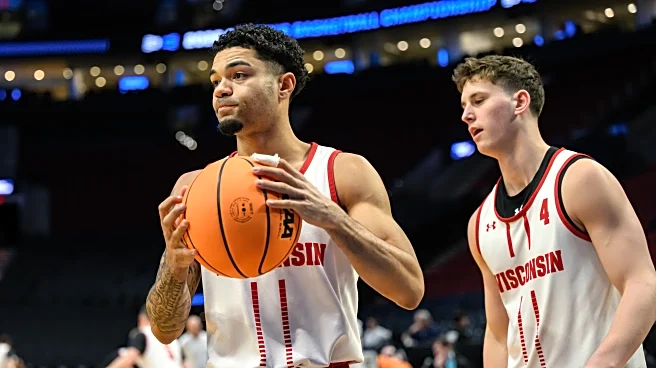
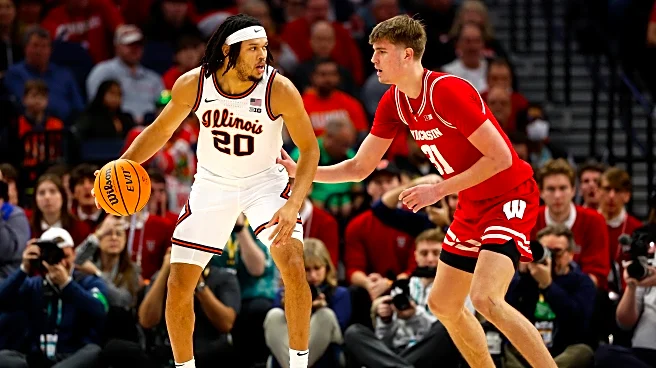
indicates that the industry supports 8,700 jobs statewide. Despite economic challenges and declining tax revenues, the sports sector remains a bright spot, with direct visitor spending accounting for more than $300 million of the economic output. The study emphasizes the need for continued investment in sports infrastructure, such as the proposed $600 million renovation of the Moda Center, to maintain and grow this economic contribution. Upcoming events like March Madness are expected to further boost the local economy.
Why It's Important?
The thriving sports economy in Oregon is crucial as it provides a significant source of revenue and employment, especially during times of economic downturn. The industry's ability to attract major events like the NCAA Tournament not only brings immediate financial benefits but also enhances the state's reputation as a sports destination. This, in turn, can lead to increased tourism and further economic opportunities. However, sustaining this growth requires strategic investments in infrastructure and facilities to continue attracting high-profile events. The success of the sports sector could serve as a model for other industries facing similar economic challenges.
What's Next?
The focus will likely shift to securing funding for the Moda Center renovation, which is seen as essential for hosting future major sports events. Stakeholders, including local government and business leaders, may need to collaborate to explore funding options and ensure the project moves forward. Additionally, the introduction of new sports franchises, such as the WNBA's Portland Fire and a USL women's softball team, could further enhance the state's sports offerings and economic impact. Monitoring the outcomes of these developments will be crucial in assessing the long-term sustainability of Oregon's sports economy.