




What's Happening?
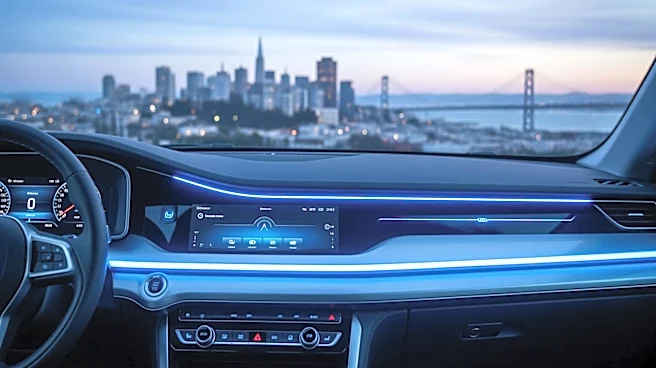
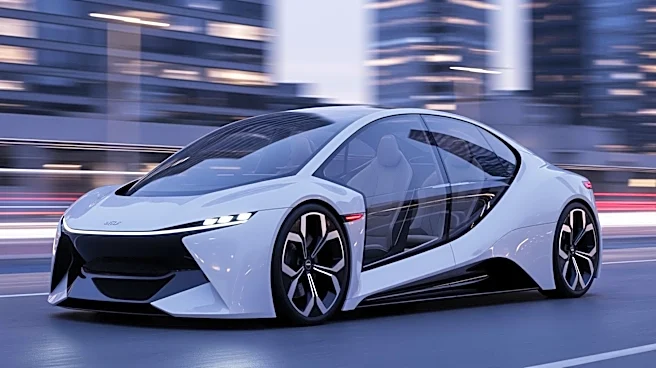
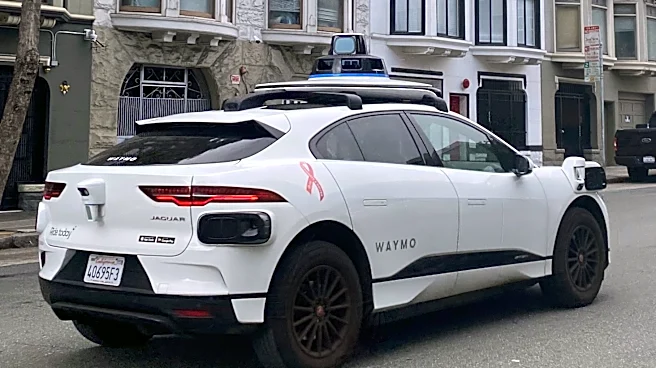
Waymo, Alphabet's autonomous vehicle division, has launched its new robotaxi model, the Ojai, in major U.S. cities including San Francisco, Phoenix, and Los Angeles. The Ojai, characterized by its spacious interior, is designed to accommodate the same
number of passengers as Waymo's existing Jaguar I-PACE SUVs but offers enhanced rider control and comfort. The vehicle is manufactured by Geely, a Chinese electric vehicle company, and is equipped with Waymo's proprietary sensors and AI technology. The Ojai is the first vehicle to feature Waymo's sixth-generation AI driver, which allows for fully autonomous operations even in challenging weather conditions. The company plans to expand the Ojai's availability to additional cities such as San Diego, Las Vegas, and Denver later in the summer.
Why It's Important?
The introduction of the Ojai robotaxi represents a significant step forward in the evolution of autonomous transportation. By offering a more spacious and comfortable ride, Waymo is addressing consumer demand for convenience and efficiency, particularly for travelers with substantial luggage or families with children. This development could enhance the appeal of autonomous vehicles, potentially increasing adoption rates and influencing urban transportation dynamics. Additionally, the Ojai's advanced AI capabilities may set a new standard for safety and reliability in the industry, encouraging further investment and innovation in autonomous vehicle technology.
What's Next?
Waymo plans to roll out the Ojai in more cities, with an initial fleet of 100 vehicles. As the company expands its operations, it will likely face competition from other autonomous vehicle providers, necessitating continuous improvements in technology and service offerings. The success of the Ojai could influence regulatory discussions around autonomous vehicles, particularly concerning safety standards and operational guidelines. Stakeholders, including city planners and transportation authorities, may need to consider infrastructure adjustments to accommodate the growing presence of robotaxis on urban roads.