





What's Happening?
The One Big Beautiful Bill Act (OBBBA), enacted in July 2025, has introduced significant business tax cuts, notably allowing for permanent full expensing of various investments. This legislative change aims to reduce the after-tax cost of new machinery,
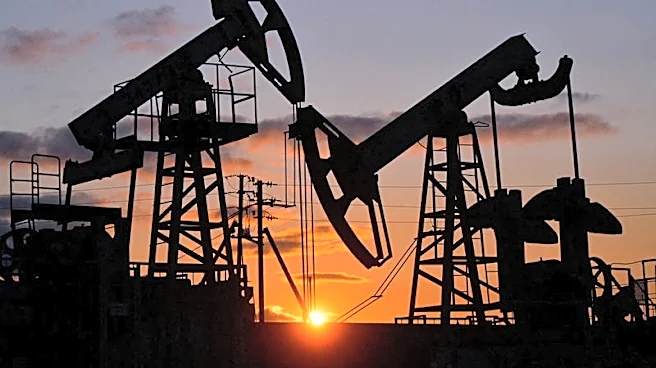
fleets, and equipment by approximately 21%, encouraging immediate capital expenditures. However, the ongoing conflict in Iran, which has disrupted oil supplies through the Strait of Hormuz, is causing global fuel prices to spike. This situation threatens to offset the benefits of the OBBBA for many Americans, as higher gasoline prices could negate the advantages of recent tax refunds. The OBBBA's impact on corporate tax departments is profound, requiring a shift from traditional compliance to strategic tax modeling to navigate these changes effectively.
Why It's Important?
The OBBBA represents a pivotal shift in U.S. tax policy, with potential to significantly influence corporate investment strategies. By enabling immediate expensing, the act encourages businesses to invest in capital assets, potentially boosting economic activity. However, the concurrent rise in fuel prices due to the Iran conflict poses a challenge, as it may erode the financial benefits intended by the tax cuts. This situation underscores the importance of strategic tax planning and modeling, as companies must now account for volatile energy costs and their impact on overall financial performance. The ability of corporate tax departments to adapt to these changes will determine their role in strategic decision-making processes.
What's Next?
Corporate tax departments are expected to enhance their modeling capabilities to account for the dual impact of the OBBBA and rising energy costs. This includes developing comprehensive scenarios that factor in sustained high fuel prices and their effect on cash flow and investment returns. Companies will need to engage in proactive discussions with finance teams to manage liquidity and reassess project viability under current economic conditions. The ongoing conflict in Iran and its impact on global energy markets will likely continue to influence corporate tax strategies, necessitating ongoing adjustments and strategic foresight.
Beyond the Headlines
The OBBBA's implementation highlights broader themes of governance and strategic alignment within corporate tax departments. Effective governance, characterized by clear leadership and standardized modeling practices, is crucial for leveraging the act's benefits. The current geopolitical climate serves as a real-time test of these capabilities, emphasizing the need for tax departments to transition from compliance-focused roles to strategic advisory positions. This shift not only enhances their value within organizations but also prepares them to navigate future economic uncertainties.