


What's Happening?
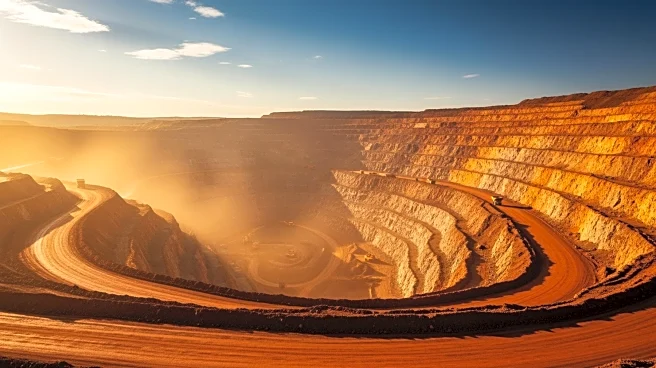
Freeport-McMoRan Inc. has submitted an environmental permit application for a $7.5 billion expansion at its El Abra copper mining operation in northern Chile. This expansion aims to quadruple the mine's production capacity, potentially adding over 300,000
metric tons of copper annually. The project includes constructing a new concentrator facility, a desalination plant, and tailings storage infrastructure. Despite the ambitious plans, Freeport-McMoRan shares fell approximately 5% in pre-market trading, influenced by declining copper futures and rising energy costs due to Middle East tensions. The El Abra mine is a joint venture, with Freeport holding a 51% stake and Chile's Codelco owning 49%. The expansion is not expected to commence full-scale operations until 2033, pending regulatory approval and funding.
Why It's Important?
The expansion of the El Abra mine represents a significant long-term investment in the copper industry, which is crucial for various sectors, including technology and renewable energy. However, the delay in realizing production benefits until 2033 poses a challenge for investors seeking short-term returns. The decline in Freeport-McMoRan's share price reflects broader market concerns about copper demand and global economic growth, exacerbated by geopolitical tensions. The project's success could enhance Freeport's position in the global copper market, but it also highlights the risks associated with large-scale mining investments, particularly in regions with environmental and water resource challenges.
What's Next?
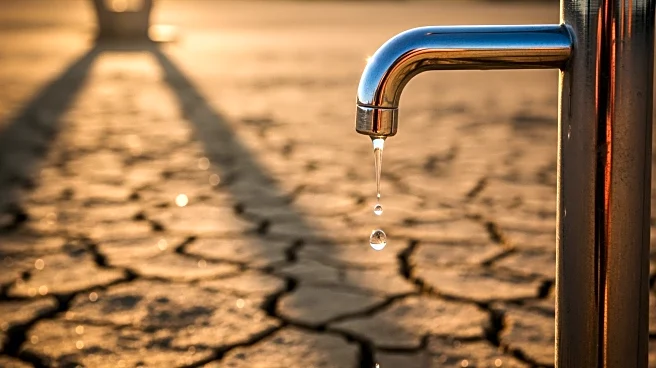
The next steps for Freeport-McMoRan involve securing regulatory approval and funding for the El Abra expansion. The company must navigate environmental concerns and collaborate with Chilean authorities to ensure the project's viability. Investors will be closely monitoring these developments, as well as global copper market trends, to assess the potential impact on Freeport's financial performance. The construction of a desalination plant is a critical component, addressing water scarcity issues in the arid Atacama region, which could set a precedent for future mining projects in similar environments.